

Last updated October 30, 2026
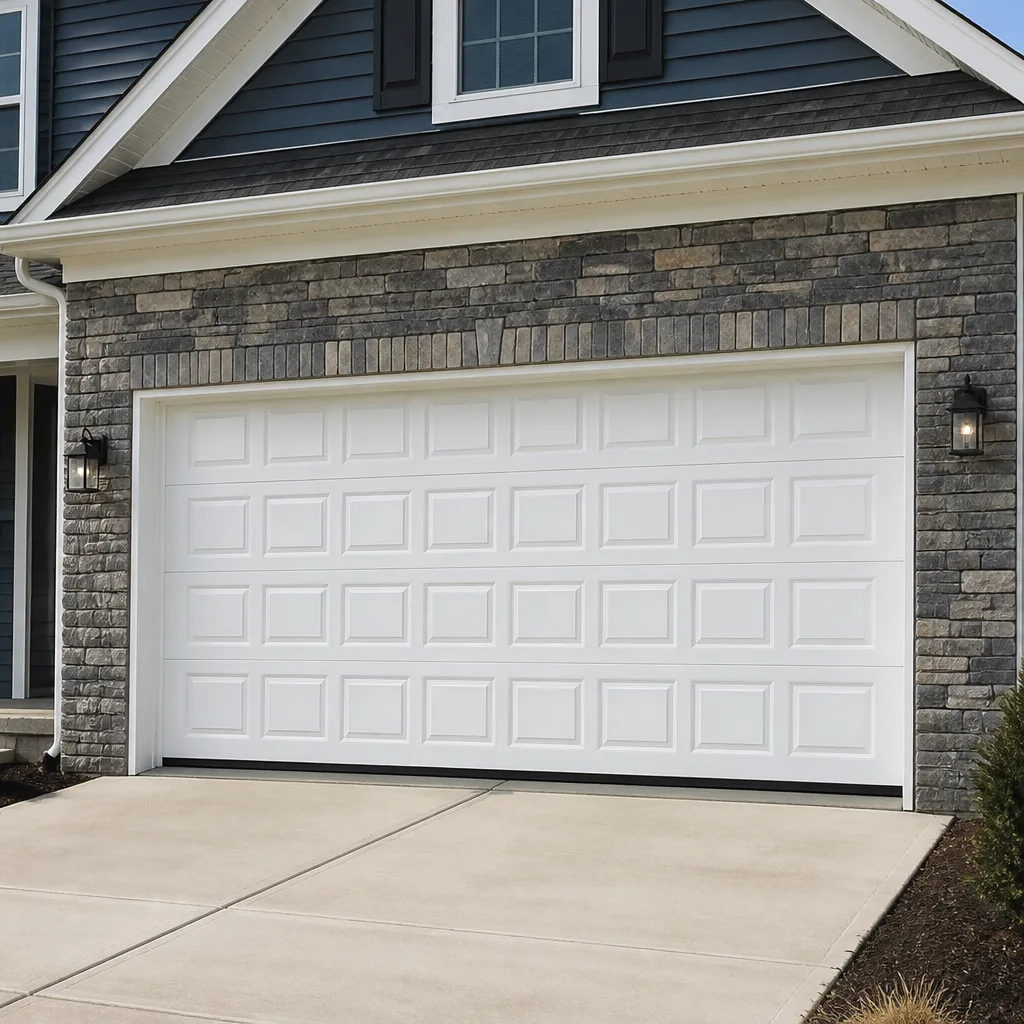 Raised-panel steel
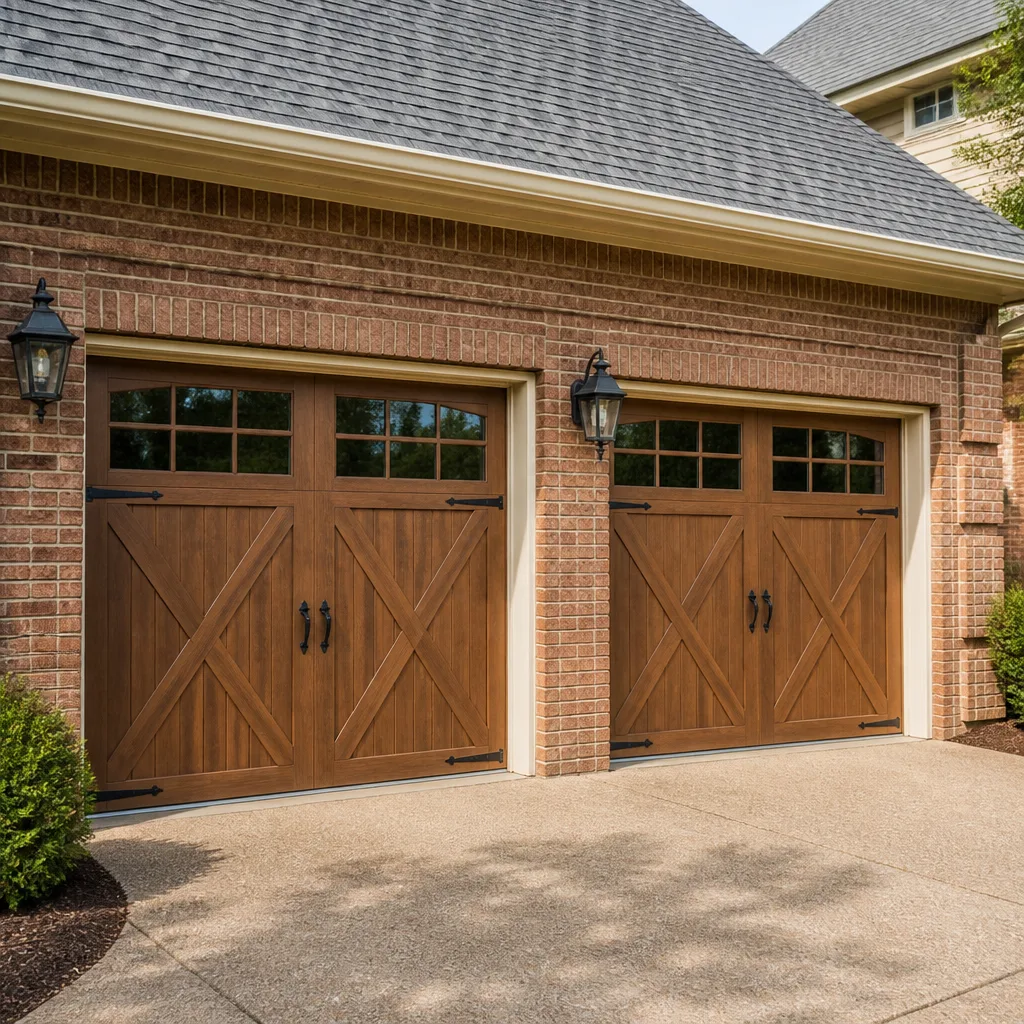 Carriage house
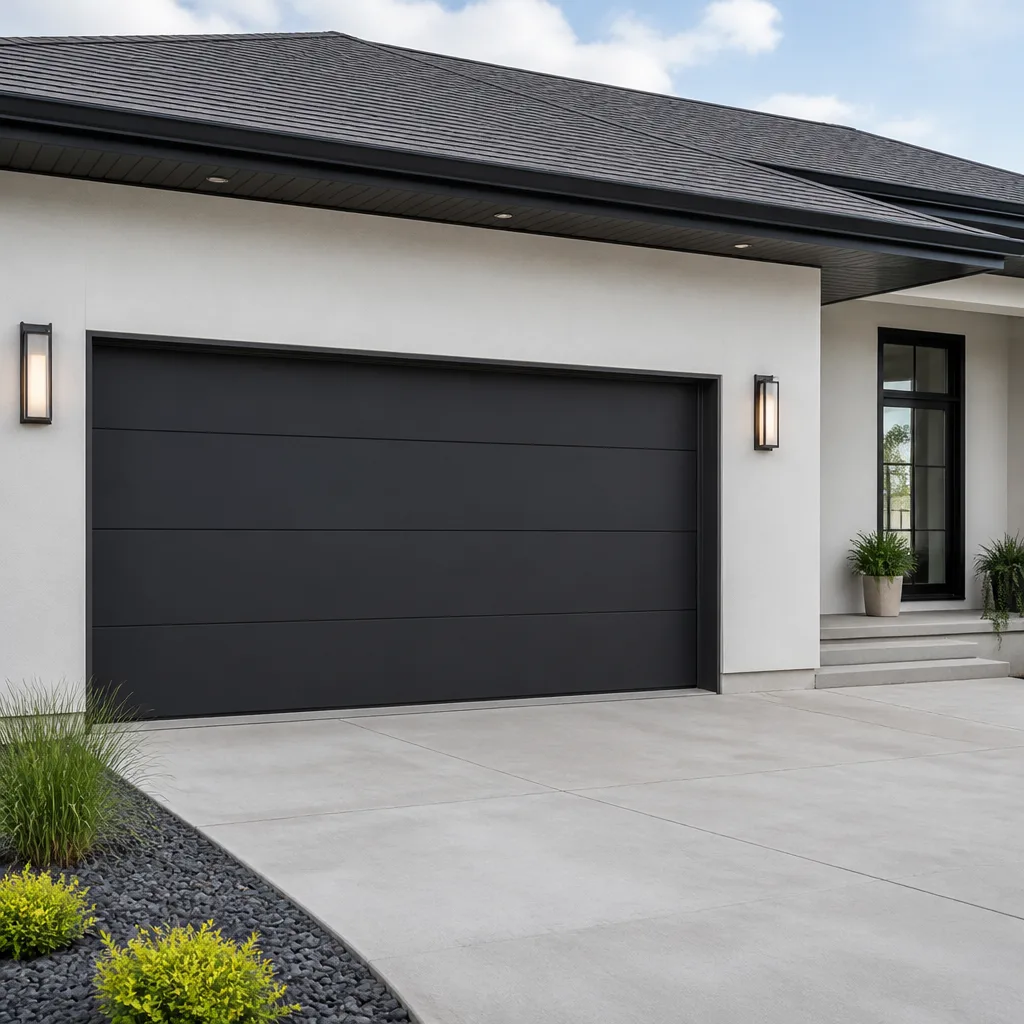 Modern flush
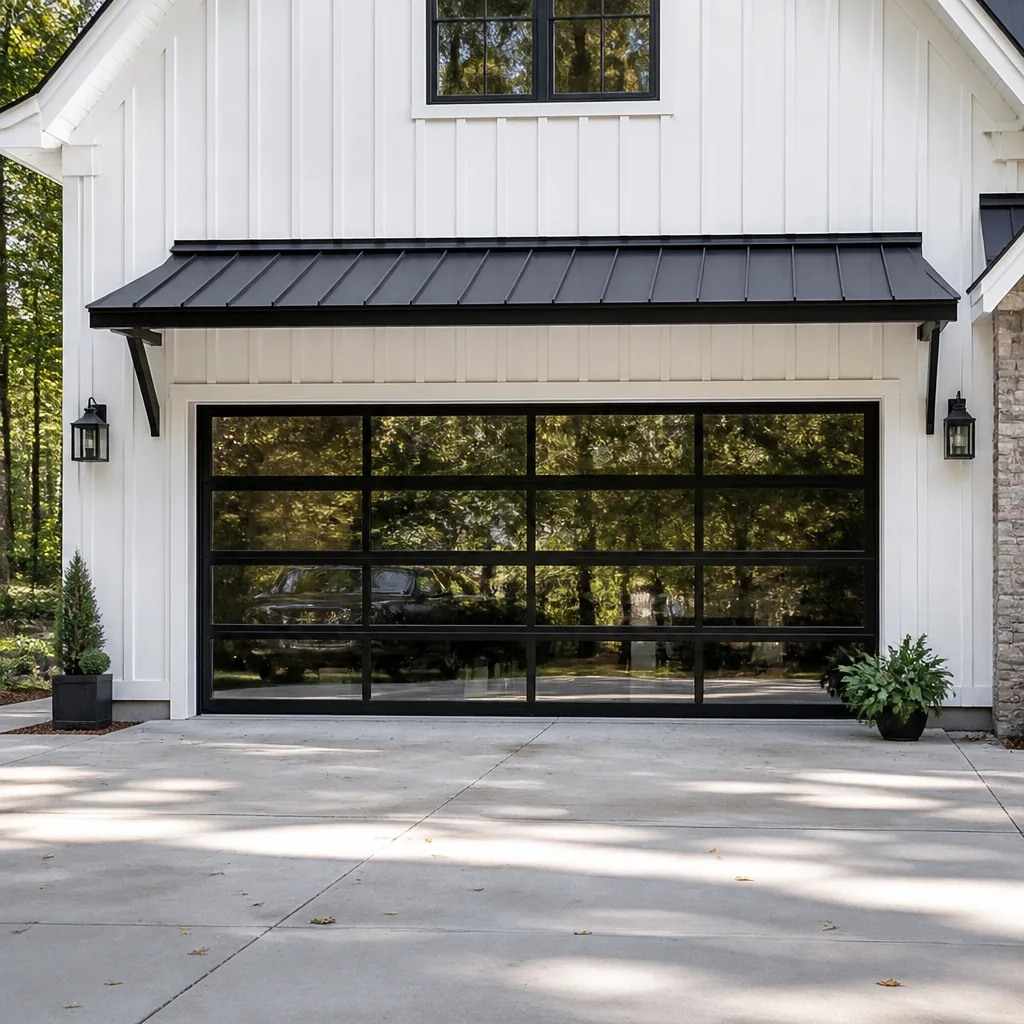 Full-view glass
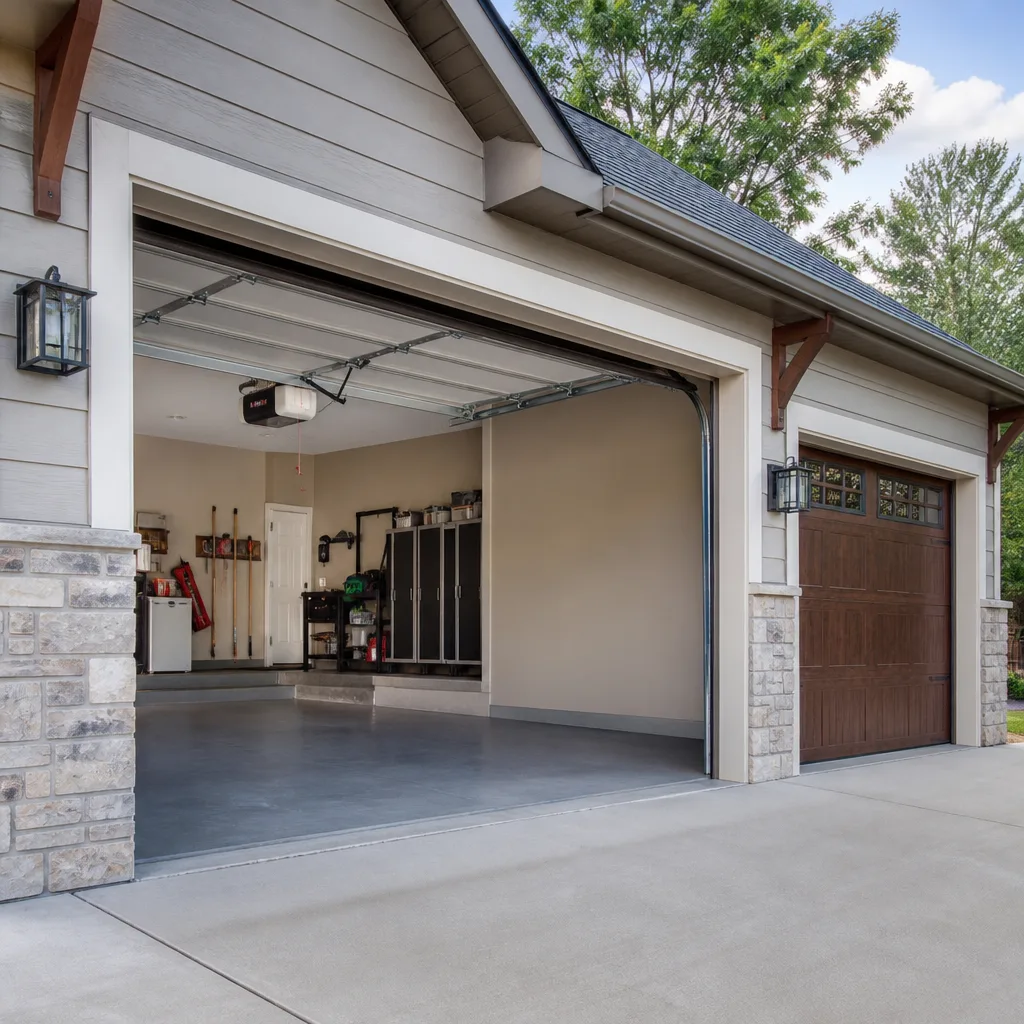 LiftMaster openers
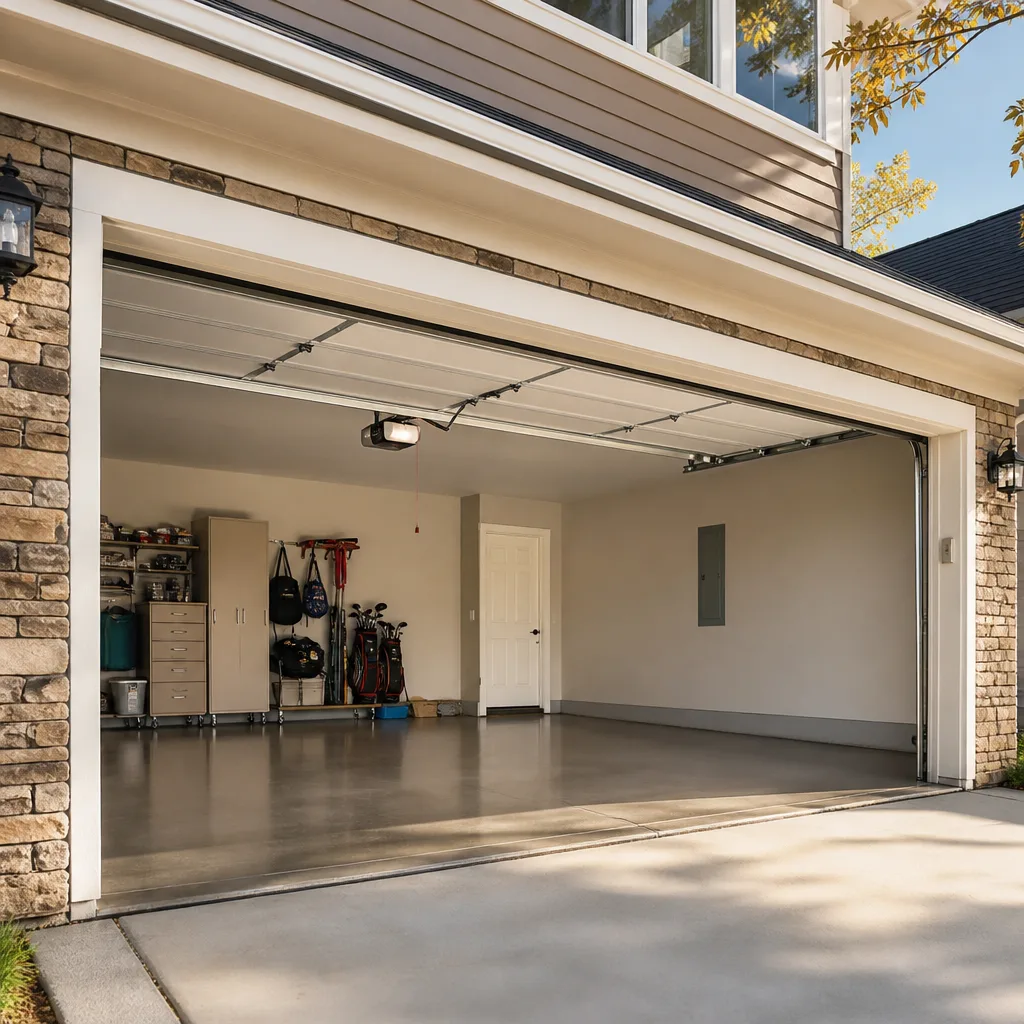 Chamberlain openers
Full 25-point door and opener safety check with every visit - springs, cables, rollers, tracks, and your LiftMaster or Chamberlain opener included
You get a price before we start. It does not change when the truck arrives.
Get your free estimateThe Complete Guide to Garage Door in Brushy Creek
Your garage door cycles roughly 1,500 times a year. That’s four times a day, every day, in rain, in the August heat that bakes Brushy Creek driveways, and in the January cold snaps that make metal contract just enough to matter. Yet most homeowners can’t name a single component beyond “the opener.” That knowledge gap costs real money. This guide explains the six interdependent parts that make up a working garage door system, why Brushy Creek’s soil creates specific problems you won’t see in other Texas suburbs, and how understanding your door’s anatomy turns a $1,500 replacement into a $150 repair.
Styles & brands we work with
Quick Answer
A garage door is a system of six main components: the panels, springs, cables, tracks, rollers, and opener. In Brushy Creek, the most common failure points are torsion springs (which snap after 10,000 cycles) and track misalignment caused by clay-soil shifting. Repair costs typically run $150 – $400 for a single component, while full replacement runs $1,200 – $3,500 depending on brand and insulation. We recommend an annual inspection to catch wear before a spring snap or cable fray turns into a door that won’t open.
Table of Contents
- The Six Components of Your Garage Door System
- Why Brushy Creek Soil Causes Track Misalignment
- Spring Types: Torsion vs. Extension and Why It Matters
- Sectional vs. One-Piece Doors in Older Brushy Creek Homes
- Why Opener Protocol Must Match Your Door’s Weight and Spring Type
- Multi-Brand Service: Why It Matters for Diagnosis Speed
- Repair or Replace: A Decision Map for Brushy Creek Homeowners
- Common Mistakes to Avoid
- When to Call a Professional
- Frequently Asked Questions
- The Bottom Line
The Six Components of Your Garage Door System
Every garage door, whether it’s a Clopay installed last year or a Wayne Dalton that’s been swinging since the 1990s, relies on six components working in concert. When one fails, it doesn’t just stop working, it transfers stress to the others. A door with a weakened spring forces the opener motor to work harder. An opener that’s fighting a heavy door burns out circuit boards. A misaligned track grinds rollers into flat spots. Understanding these dependencies is the difference between fixing the root cause and paying for the same repair twice.
Here’s what each component does and what happens when it fails:
- Panels: The visible sections of the door. They provide security and insulation value. Dents, rust, and cracked weather seals reduce energy efficiency and can throw off the door’s balance. Panel damage rarely causes operational failure by itself, but it adds weight and strain elsewhere.
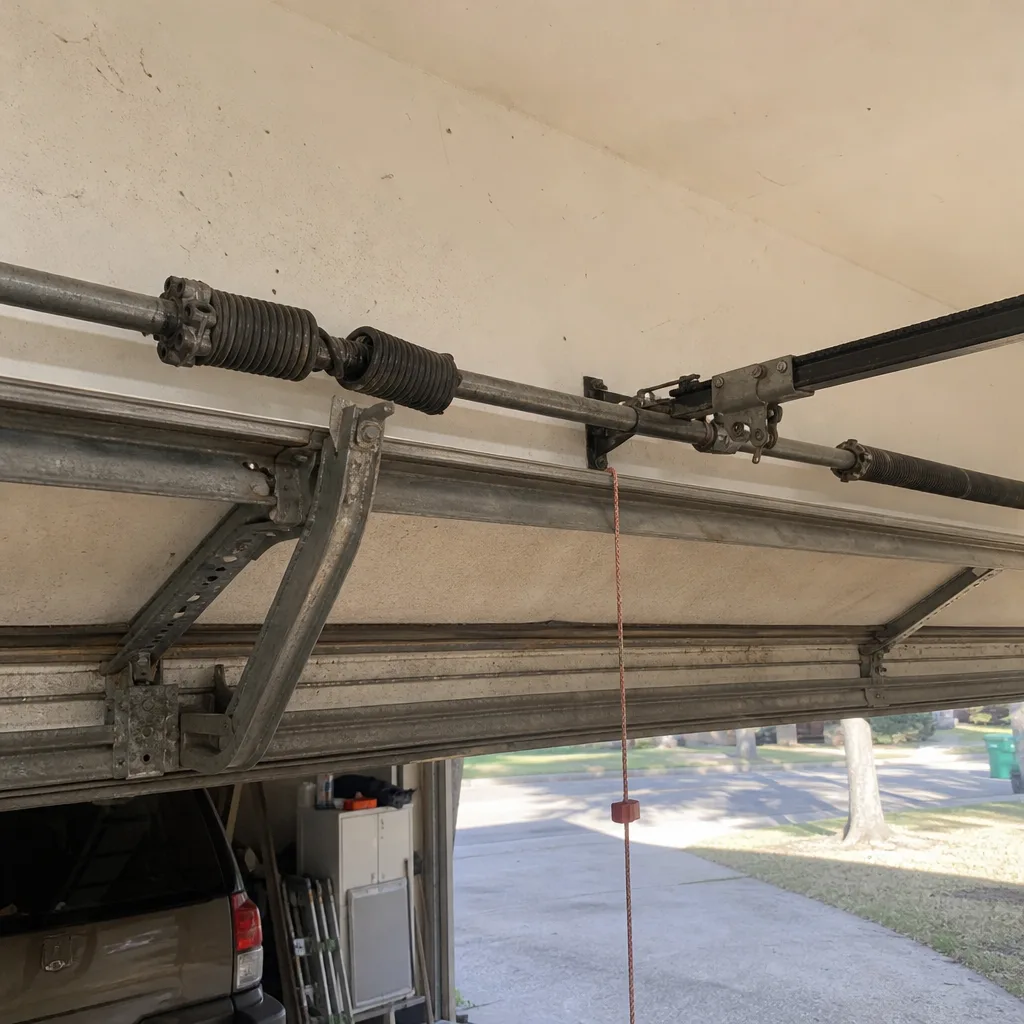
- Springs: The counterbalance system. Springs do the actual lifting, not the opener. Torsion springs sit above the door, extension springs run along the horizontal tracks. A snapped spring is the single most common breakdown we see in Brushy Creek and carries a serious injury risk if handled incorrectly.
- Cables: High-tension steel cables running from the bottom brackets up through the drums. They guide the door and hold tension while springs do the lifting. A frayed cable can snap without warning and whip across the garage. If you see loose strands, stop using the door immediately.
- Tracks: The vertical and horizontal rails that guide the rollers. Even a quarter-inch of misalignment causes binding, noise, and uneven wear. In Brushy Creek, track issues are disproportionately common due to foundation movement, which we’ll cover below.
- Rollers: Steel or nylon wheels that travel inside the tracks. Nylon rollers last longer and run quieter. Worn rollers cause vibration, which loosens hardware and accelerates track wear. A roller that seizes can pull a track out of alignment entirely.
- Opener: The motorized unit that does the work for you. It should not be doing the heavy lifting, that’s the spring’s job. The opener moves the door along its path once the spring system has neutralized the weight. When springs fail and owners keep pressing the button, the opener burns out in a matter of weeks.
The takeaway: none of these components fails in isolation over the long run. A thorough diagnosis looks at how each one affects the others. That’s why we treat the whole system, not just the symptom. For a deeper look at what’s involved in a complete Garage Door Repair in Brushy Creek, including our diagnostic process, start there.
Why Brushy Creek Soil Causes Track Misalignment
Brushy Creek sits on Texas Blackland Prairie clay. This soil expands dramatically when wet and contracts when dry, creating vertical movement of up to 4 inches in extreme seasons. That movement doesn’t just crack sidewalks, it shifts the slab under your garage. When a slab settles or heaves by even half an inch, the garage door tracks, which are anchored to the framing and the floor, slowly fall out of alignment.
We see this pattern repeatedly in Brushy Creek: a homeowner notices the door scraping on one side or binding at the midpoint, then discovers the track has drifted. The door itself is fine. The springs are fine. But the track mounting points have moved relative to each other because the concrete beneath them shifted.
Symptoms of clay-soil track misalignment include:
- A scraping or grinding noise when the door passes the midpoint of travel
- One side of the door sitting visibly lower than the other when closed
- Visible gaps between the door and the weather strip on one side
- Rollers that wear unevenly or develop flat spots
- The door hesitating or reversing near the bottom of its travel
This isn’t a repair you want to ignore. A door that’s binding puts strain on the opener every cycle. Within a few months, that strain can damage the opener’s gear assembly or burn out the motor. A diagnosis should include checking the track alignment against the door’s plumb line, not just lubricating the rollers and calling it done.
For homes in Brushy Creek with established slab movement, we often recommend periodic track realignment as part of an annual check. It’s cheaper than an opener replacement and it keeps the full system operating within its designed tolerances.
Spring Types: Torsion vs. Extension and Why It Matters
Garage doors use one of two spring systems: torsion or extension. Brushy Creek homes span both types depending on the home’s era and the door’s brand. A 1990s Craftsman setup often runs extension springs. A newer Amarr or Clopay install almost always uses torsion springs.
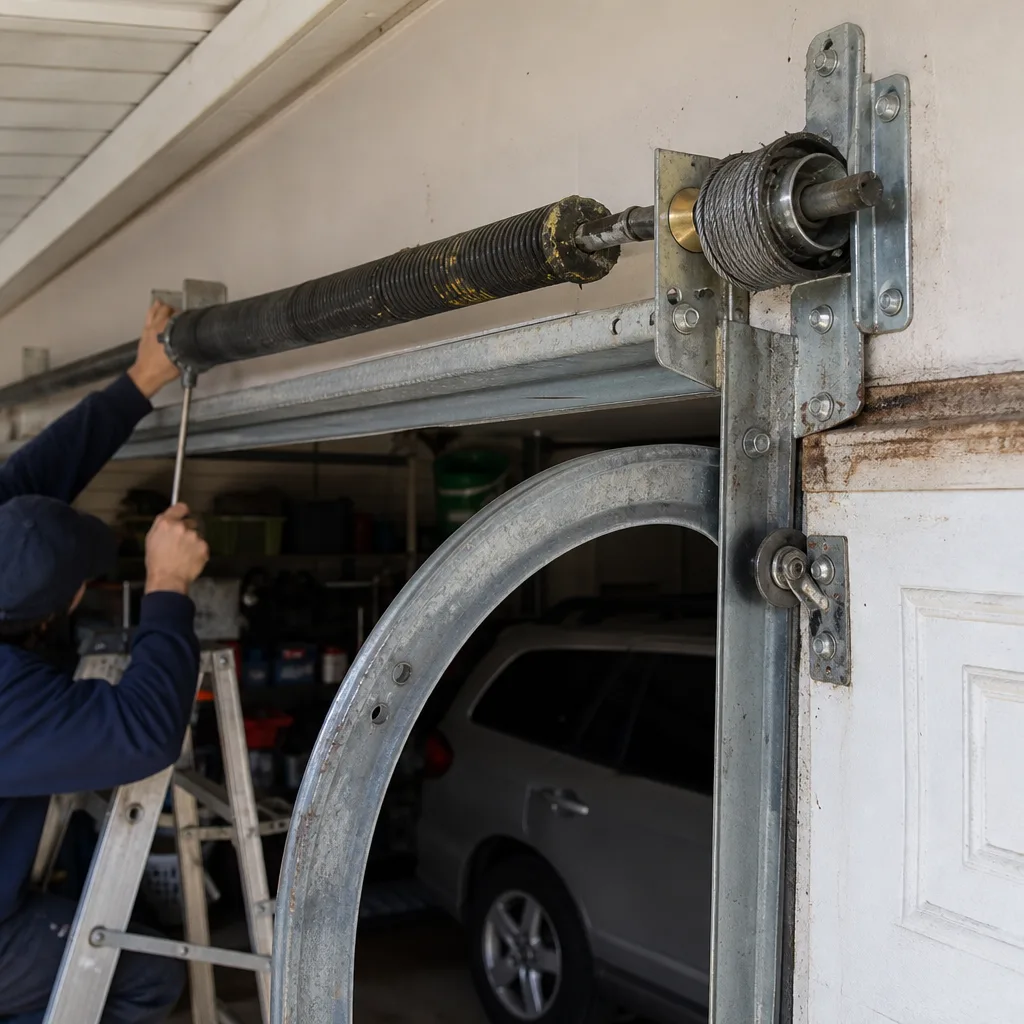
Torsion springs sit on a shaft above the door opening, anchored to a center bracket. They twist to store energy and unwind as the door opens. They’re rated by cycle life, typically 10,000 cycles for standard springs and 20,000-plus for high-cycle versions. When a torsion spring snaps, you’ll hear it, it sounds like a gunshot in the garage.
Extension springs mount above the horizontal tracks and stretch as the door closes. They’re under tension at all times and are more dangerous when they fail because a broken spring can propel a loose cable or hardware across the garage. These springs always require a safety cable running through the center, per building codes. If you have an older door without safety cables, that’s a code violation and a genuine hazard.
Here’s a quick comparison for Brushy Creek homeowners:
- Torsion: longer cycle life, smoother operation, confined above the door, higher replacement cost, safer when installed correctly.
- Extension: lower upfront cost, simpler design, more violent failure, greater injury risk without safety cables, generally found on older or budget doors.
Spring replacement is never a DIY task. Torsion springs hold enough stored energy to break bones or cause fatal injury when released incorrectly. Extension springs can launch hardware as shrapnel. A professional uses winding bars, proper tension gauges, and the discipline to match spring size to the exact door weight. If your springs are worn or snapped, this is a job for a trained technician, full stop. We provide a full breakdown of spring work on our Garage Door Repair in Brushy Creek page.
Sectional vs. One-Piece Doors in Older Brushy Creek Homes
Most Brushy Creek homes built in the last 25 years have sectional garage doors: four or five horizontal panels hinged together that travel along curved tracks. But walk through some of the older subdivisions and you’ll still find one-piece doors, also called swing-up doors, especially on homes built before the mid-1980s.
The service profile differs significantly between the two.
Sectional doors are the modern standard. Manufacturers like Clopay and Amarr build them with insulated cores, steel or composite skins, and hinge systems designed for years of service. They’re more forgiving of minor track adjustments and easier to balance. When a panel gets dented, you can replace just that panel. Opener compatibility is broad across all major brands.
One-piece doors pivot from a single hinge system at the top of the opening. They require a different opener type, typically a chain drive with a long rail, because the door swings outward as it rises. Spring requirements are different, hardware is harder to source, and the doors are heavier per square foot. When a one-piece door’s hardware fails, replacement parts often come from specialty suppliers rather than standard garage door distributors.
If you own an older Brushy Creek home with a one-piece door, you have decisions to make. A spring or hinge failure on a one-piece door aged 30-plus years usually signals that replacement is the financially smarter move. The upgrade to a modern sectional door cuts energy loss, improves security, and opens up current opener technology including smart features. But we service both types and we’ll tell you honestly when repair still makes sense. For homeowners evaluating a full changeover, our Garage Door Installation in Brushy Creek guide covers what to expect.
Why Opener Protocol Must Match Your Door’s Weight and Spring Type
An opener is not a universal appliance. It’s calibrated to the specific door it moves. In Brushy Creek we see plenty of cases where a previous owner swapped an opener onto a door it was never designed for, and the result is a motor that strains, a gear that strips, or force settings that push a door through resistance instead of stopping for the obstruction.
Three variables determine whether an opener works correctly:
- Door weight: A solid wood door weighs far more than a steel sandwich-panel door. The opener’s horsepower rating needs to match, typically 1/2 HP for a standard two-car steel door, 3/4 HP or more for heavier builds.
- Spring balance: If the springs are correctly sized and adjusted, the door should feel nearly weightless at the midpoint. An opener should never be fighting the door’s full mass. That’s the spring’s job.
- Drive type and protocol: Chain drives, belt drives, and screw drives all have different torque profiles. Smart openers from LiftMaster or Chamberlain use proprietary protocols that pair with specific wall consoles and sensors. Mismatched components can cause intermittent operation or lost settings.
What this means in practice: if your door has original Wayne Dalton springs that are fatigued, and someone installed a Genie opener rated for a lighter door, the opener will work until the day it doesn’t. Often that day is when you need the door most.
The correct approach is to evaluate the door and opener as one system, not two separate purchases. That’s the thinking behind our opener service line. If the opener is the problem, we fix it. If the door underneath is the problem, we identify that and fix it first, because a new opener on a maladjusted door is a repeat visit waiting to happen. Our dedicated Garage Door Opener Repair in Brushy Creek page goes into the brands and symptoms we handle.
Multi-Brand Service: Why It Matters for Diagnosis Speed
Most garage door companies do fine with whatever brand they sell. That’s not a criticism, it’s a scope issue. A dealer that primarily installs Amarr doors knows Amarr hardware. A tech who only works on Clopay products sees Clopay problems.
We work on the brand already in your garage. In Brushy Creek, that means LiftMaster, Chamberlain, Genie, Clopay, Amarr, Wayne Dalton, Craftsman, and Raynor. Eight major manufacturers, each with their own spring specifications, opener protocols, and hardware quirks. A Wayne Dalton torque tube is not a Clopay torsion shaft. A Craftsman chain drive doesn’t calibrate the same way as a Genie screw drive.
Why this matters for you:
- Faster diagnosis: A tech who recognizes the specific hardware in front of them doesn’t need a half hour of trial and error.
- Correct parts the first time: Multi-brand familiarity means the repair vehicle is stocked to match what’s actually on your door, not what the company happens to sell.
- Honest recommendations: We don’t have a commission incentive to push a specific brand. If your existing door needs a spring and a roller set, we tell you that. If it needs a full replacement, we tell you that too.
Your door, diagnosed correctly the first time. That’s our standard. One call, full system. The Goldleaf Garage Door Repair home page has more on our service philosophy and scope.
Repair or Replace: A Decision Map for Brushy Creek Homeowners
This is the question every homeowner asks when a technician delivers bad news. The honest answer depends on three factors: the door’s age, the cost of the failed component, and the condition of the rest of the system. Here’s a structured way to think through it.
Step 1: Identify the failed component and its replacement cost
Most individual repairs are inexpensive relative to a new door:
- Roller set replacement: $80 – $160
- Cable replacement (both sides): $150 – $250
- Track realignment: $100 – $200
- Torsion spring replacement (pair): $180 – $350
- Opener repair: $120 – $350 depending on the part
Step 2: Evaluate the door’s overall condition
If the door is over 18 years old and shows multiple signs of wear, rotten bottom panel, rusted hardware, an older extension spring system, poor insulation, putting $300 into repeated repairs starts to look false-economical. A new Clopay or Amarr door with modern insulation and a new spring system will serve another 20 years with minimal intervention.
Step 3: Consider energy and security
Brushy Creek summers push garage temperatures past 110 degrees. An uninsulated older door turns your garage into a heat box that bleeds warmth into any adjacent rooms. Upgrading to an insulated door can reduce that load and add resale appeal. Security matters too, older doors without reinforcement weak points are easier to force open.
Step 4: Make the call based on math
If the single repair is under $400 and the door is otherwise sound, repair it. If two or more components are failing simultaneously and the door is over 15 years old, replacement is usually the more rational choice. If you’re not sure, get a professional evaluation that looks at the whole system, not just the failed part. That’s what we do. Garage Door Installation in Brushy Creek may be the better long-term play, and we’ll tell you that plainly if it is.
Common Mistakes to Avoid
- Lubricating the tracks with grease. Tracks should stay clean and dry. Grease attracts dirt and causes roller drag. Only the hinges, rollers, and springs get lubrication, with a lithium-based or silicone spray, never WD-40.
- Keeping the opener when the springs are worn. The opener is a transport device, not a lifting device. If your springs are fatigued, the opener strains with every cycle. Replace worn springs before you replace a burned-out opener.
- Ignoring a noisy door. Grinding, scraping, or popping sounds are diagnostic signals, not character quirks. A popping sound early in travel often indicates a spring starting to fail. Catching it early costs less than a snapped spring and a door off its tracks.
- Attempting spring repair without the right tools. Torsion springs store lethal levels of energy. The winding bars, the proper sizing, the sequence, it matters. This is the number one cause of serious garage-related injuries, and it’s entirely preventable.
- Disconnecting the safety reverse to force a door closed. If the door keeps reversing, something is wrong. The sensors may be misaligned, the track may be binding, or the force setting may be off. Overriding that safety is how doors come down on vehicles and people.
- Assuming all doors use the same parts. A torsion spring for a Clopay door may not fit a Wayne Dalton torque tube. A LiftMaster remote won’t open a Genie opener. Multi-brand systems need multi-brand parts knowledge.
- Waiting until a breakdown to think about maintenance. The best time to inspect a garage door is when it’s working fine. Wear accumulates silently. A 30-minute annual check catches cables fraying and rollers flattening before they cascade into an emergency.
When to Call a Professional
Some garage door work is safe for a careful homeowner: tightening loose hinges, clearing debris from the photo-eye lenses, testing the balance by disconnecting the opener and manually lifting the door. But several scenarios demand a trained technician. A snapped torsion spring, a frayed cable, a door off its tracks, any repair involving high-tension components, these are not DIY projects. The energy stored in a garage door system is unforgiving. A human body is no match for a spring that releases 200 pounds of stored torque in a fraction of a second.
If your door is making sudden loud noises, won’t close fully, sags on one side, or shows visible cable damage, stop using it and call us. Goldleaf Garage Door Repair offers free estimates in Brushy Creek. Call (855) 412-0407 and we’ll evaluate the full system, not just the symptom.
Frequently Asked Questions
A pair of torsion springs, including labor and parts, typically runs $180 – $350 in Brushy Creek depending on the spring’s cycle rating and your door’s weight. Extension spring replacement is usually comparable. The exact price depends on the door size and spring type. Call (855) 412-0407 for an exact quote, and the price is always agreed before any work begins.
For spring, cable, and roller repairs on common door brands, same-day service is usually available in Brushy Creek. We dispatch from within the area and our techs carry parts for LiftMaster, Chamberlain, Genie, Clopay, Amarr, Wayne Dalton, Craftsman, and Raynor, so most common repairs don’t require a second visit. Call (855) 412-0407 to confirm availability for your specific situation.
No. The price we quote before starting work is the price you pay. If the technician identifies an additional issue, we stop, show you what’s going on, and get a separate approval before any extra work happens. No surprises on the invoice.
Yes. Because we service eight major brands, our repair vehicles are stocked with the springs, cables, rollers, and opener components most commonly needed for residential doors in Brushy Creek. That’s how we achieve true one-visit fixes in most cases.
Sometimes. A grinding noise often indicates worn rollers or dry bearings, an annoyance but not an immediate hazard. A popping or banging noise during travel can indicate a spring that’s beginning to fail, which is a genuine safety concern. If the noise changes suddenly or gets louder over a short period, have it checked. Estimates are free.
Heat alone doesn’t shorten spring life significantly. What matters is cycle count. A standard 10,000-cycle torsion spring lasts about 7 years at typical usage. If you use your garage door as your primary entrance, which many Brushy Creek homeowners do, you’ll hit that count in half the time. High-cycle springs rated for 20,000 or 30,000 cycles cost more upfront but last far longer.
The Bottom Line
Your garage door is a system, not a single machine. In Brushy Creek, that system contends with clay soil that shifts foundations, summer heat that accelerates wear, and doors that endure thousands of cycles per year. When you understand the six components, keep up with a simple annual inspection, and address small failures before they cascade, you’ll spend less money and avoid emergency calls. When you need a specialist, we work on the brand already in your garage, handle the complete system from panel to opener, and diagnose correctly the first time. That’s gold-standard work on every job.
Written by the team at Goldleaf Garage Door Repair, serving Brushy Creek since 2012.
See the difference
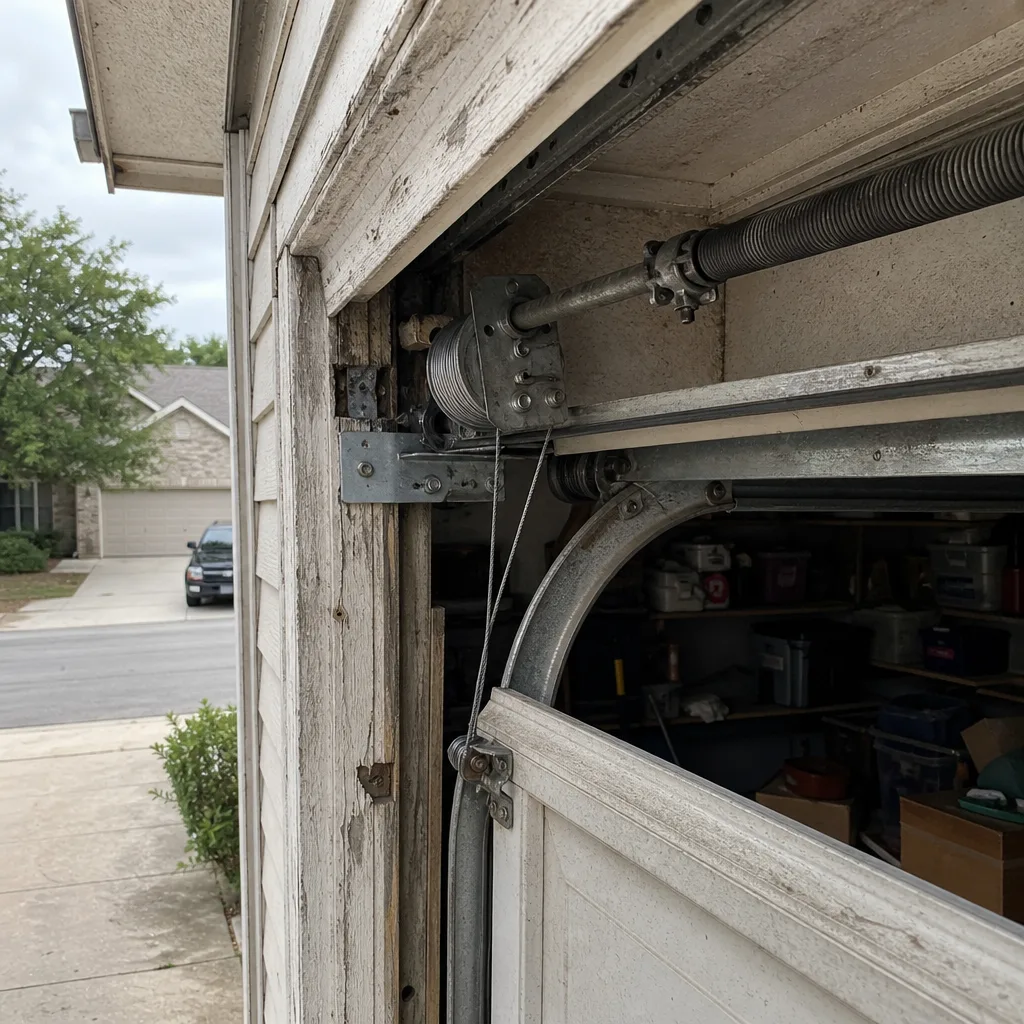 Before
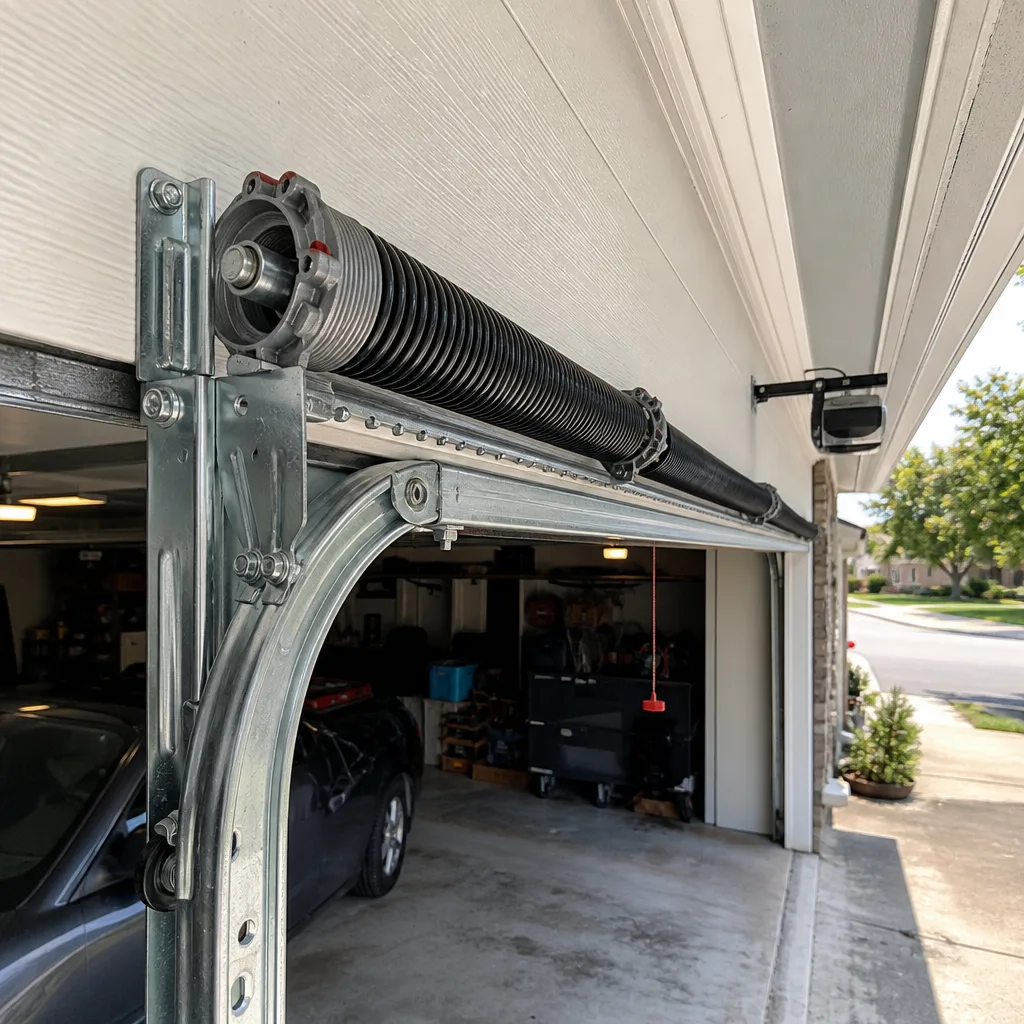 After
 Before
 After
 Before
 After