

Last updated October 30, 2026
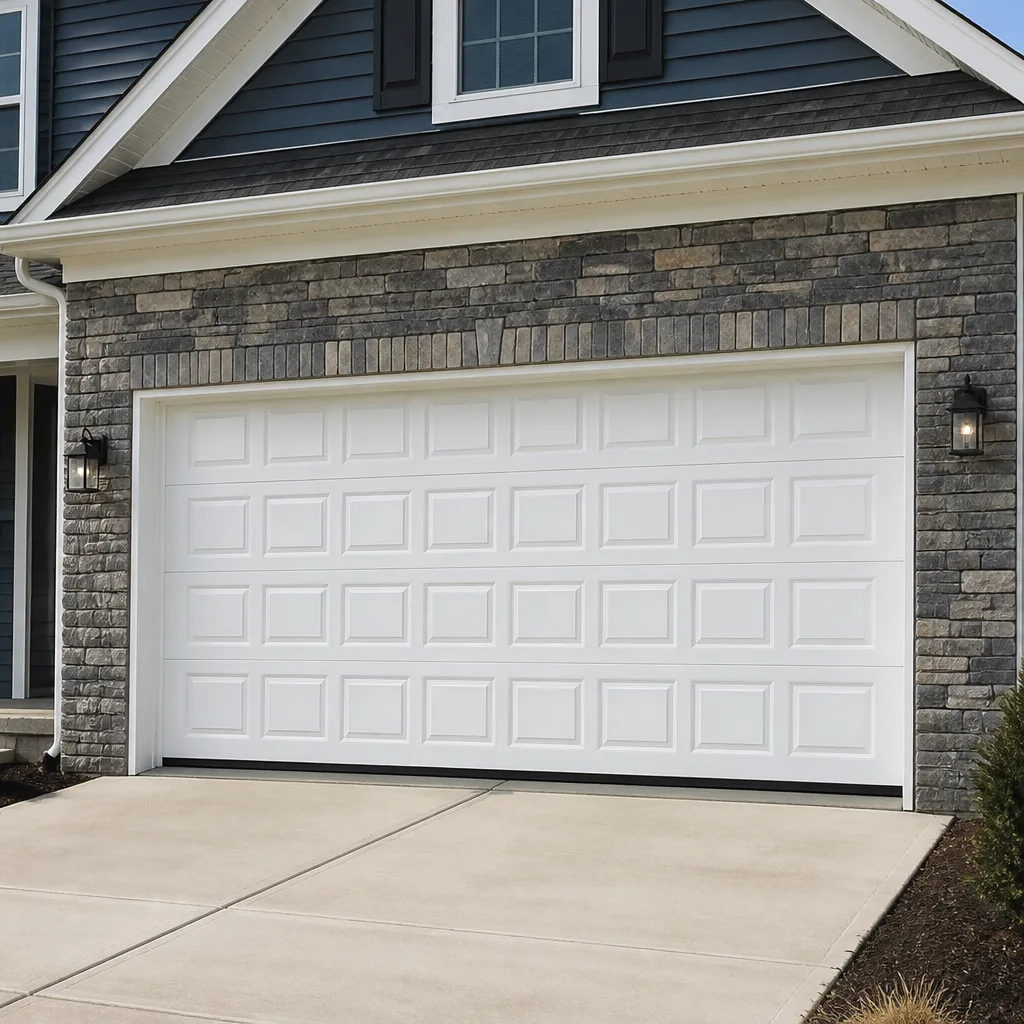 Raised-panel steel
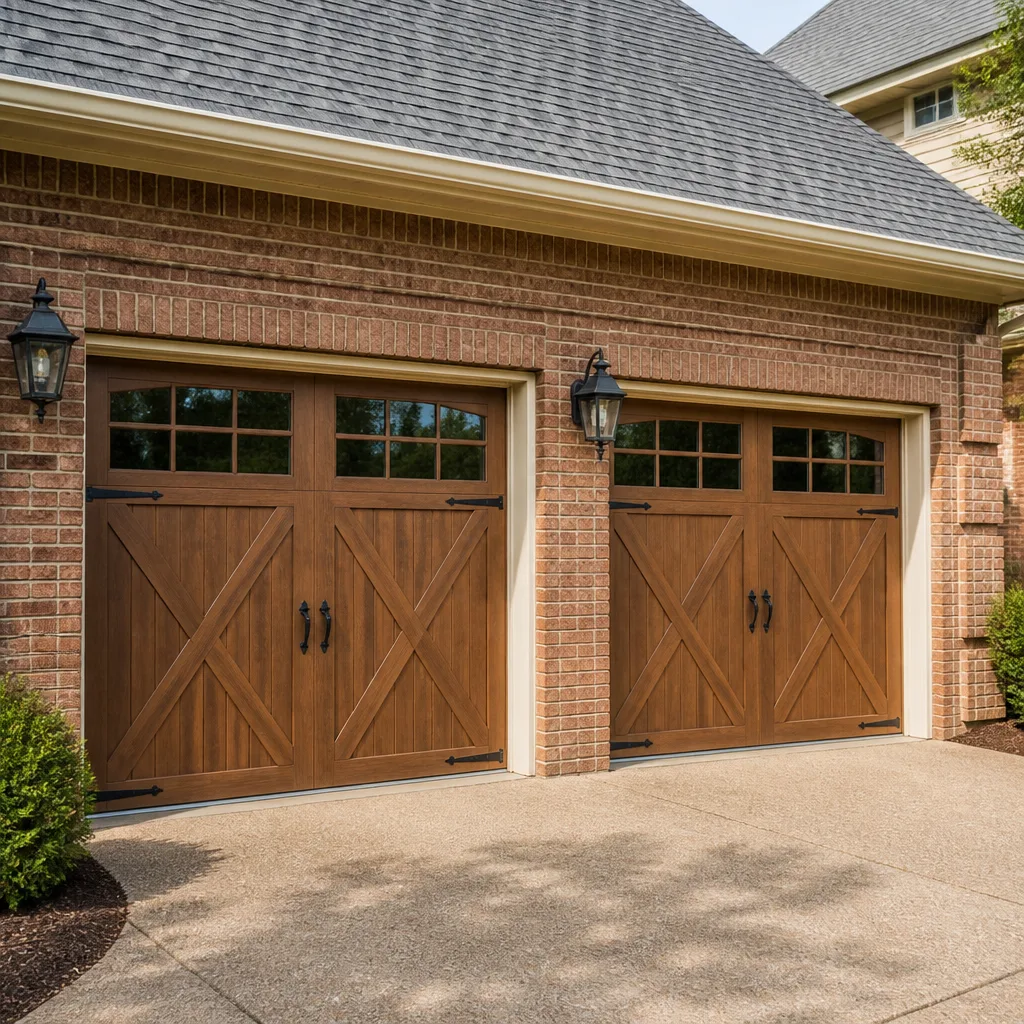 Carriage house
 Modern flush
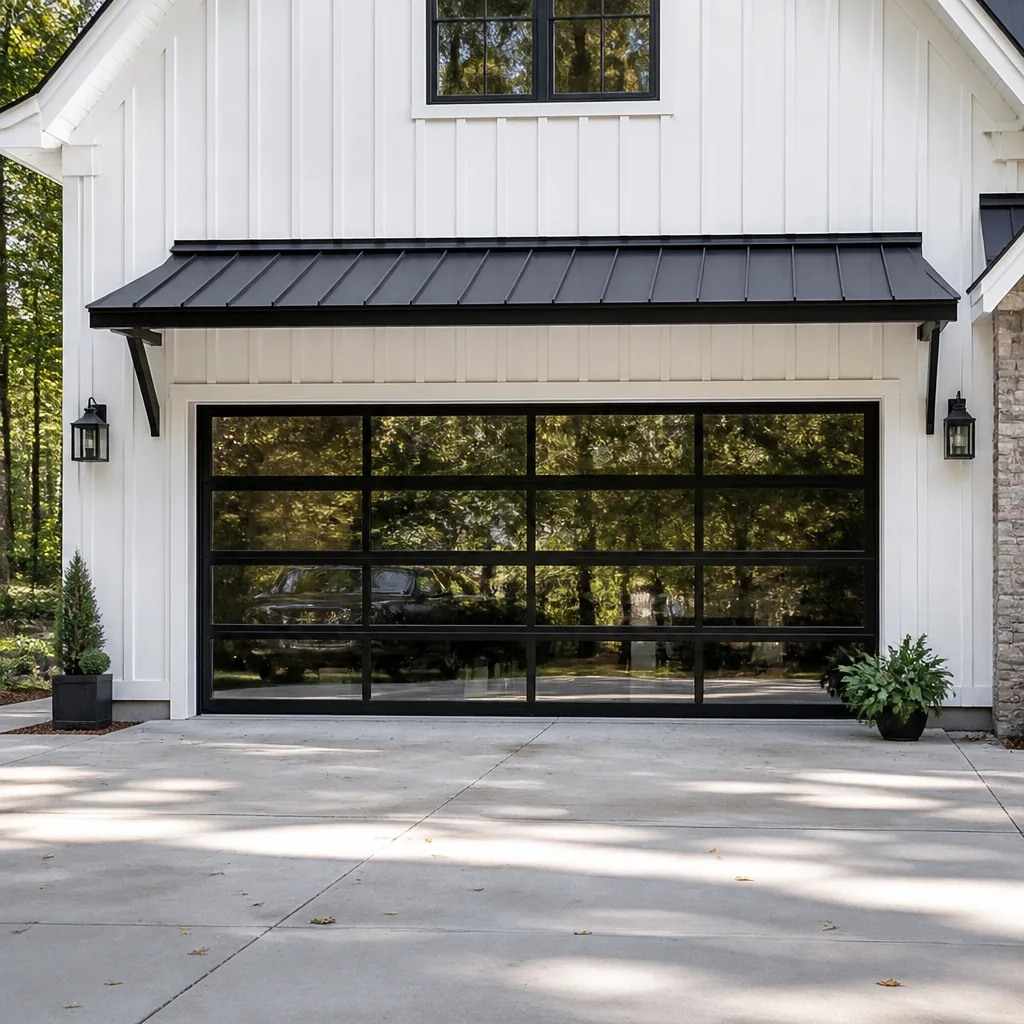 Full-view glass
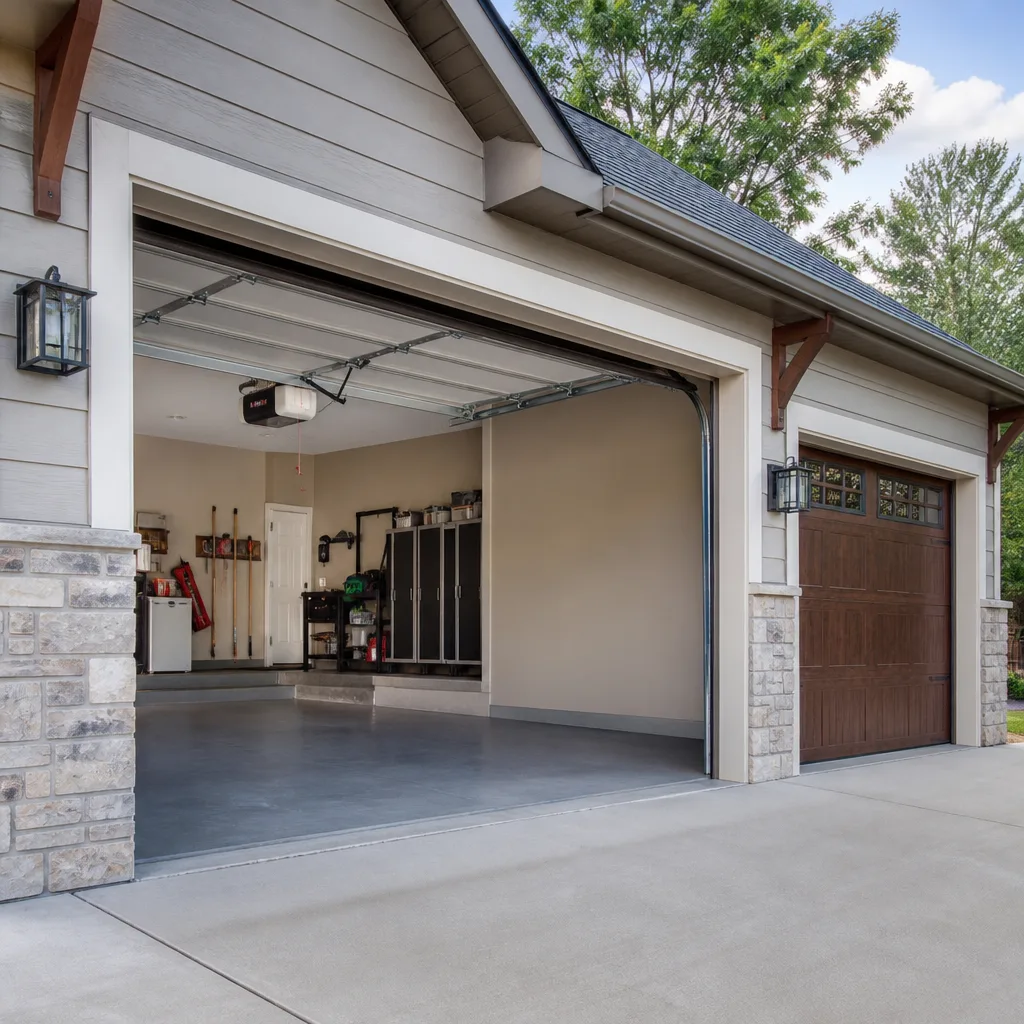 LiftMaster openers
 Chamberlain openers
Full 25-point door and opener safety check with every visit - springs, cables, rollers, tracks, and your LiftMaster or Chamberlain opener included
You get a price before we start. It does not change when the truck arrives.
Get your free estimateGarage Door Permits, Codes & Inspections in TX: What You Need to Know
Texas doesn’t require a permit to replace a garage door – until it does, and the line between those two situations is thinner than most contractors will tell you. The distinction turns on factors most homeowners never think to check: the weight of the new door, the size of the rough opening, whether your garage is attached to the house, and what your HOA’s governing documents say about exterior modifications. Get it wrong and you’re not just looking at a fine. You’re looking at a door that fails inspection at resale, an insurance question after a storm, or a code enforcement notice taped to your doorframe in Brushy Creek. This guide maps the full Texas permit and code landscape for garage doors – including the Williamson County and City of Round Rock jurisdiction overlap that affects Brushy Creek properties, UL 325 opener rules, and the HOA overlays that bite harder than municipal code. For Garage Door Warning Signs: A Brushy Creek Homeowner’s Reference Guide, see our related resource.
Quick Answer
Texas state law does not require a building permit for a like-for-like garage door replacement – swapping one standard residential door for another of the same size, weight class, and fire-rating classification. But permits are required when you change the rough opening size, alter structural framing, install a fire-rated door assembly in an attached garage where none existed, or add an opener to a door that doesn’t meet current UL 325 safety standards. In Brushy Creek, your property may fall under Williamson County code, City of Round Rock code, or an HOA covenant that is stricter than both.
Styles & brands we work with
Table of Contents
- The Texas Permit Baseline: What’s Exempt and What Isn’t
- Weight, Size, and Structural Changes: The Triggers Most Contractors Skip
- Fire-Rated Doors in Attached Garages: The Code You Didn’t Know Existed
- Brushy Creek Jurisdiction: Williamson County vs. City of Round Rock
- UL 325 Compliance: What Happens When Your Old Opener Fails
- HOA Overlay Rules in Brushy Creek: The Costlier Violation
- Unpermitted Work and Home Sales: What Documentation Protects You
- Common Mistakes to Avoid
- When to Call a Professional
- Frequently Asked Questions
The Texas Permit Baseline: What’s Exempt and What Isn’t
Texas delegates most building code enforcement to local jurisdictions, which means the answer to “do I need a permit?” depends on where your property sits. State law establishes the floor, but cities and counties can add requirements. For garage doors specifically, Texas has no statewide permit mandate for replacement of an existing door with one of the same dimensions and use classification. That’s the general rule, and it holds true in nearly every Texas municipality.
Here’s what “like-for-like” actually means in practical terms:
- Same rough opening dimensions: The new door fits the existing framed opening without cutting studs, moving headers, or altering the sill.
- Same weight class: A standard steel residential door replacing a standard steel residential door. Changing from an uninsulated steel door to a solid wood or reinforced door can add hundreds of pounds of dynamic load, which changes the structural calculation.
- Same fire classification: If the existing door was not rated, and the new door is also not rated, no permit. But if your attached garage should have had a rated door and didn’t, bringing it into compliance can trigger a permit review.
- No new opening: Cutting a garage door into a wall where none existed is structural modification and always requires a permit in Texas.
The exemption covers the majority of straightforward door swaps. A homeowner in Brushy Creek replacing a worn-out Clopay steel door with a similar Raynor steel door, same size, same track configuration, typically doesn’t need to pull a permit. The door comes out, the new one goes in, hardware gets adjusted, and the job is done. But the moment you deviate from that “same” benchmark, the exemption falls away. And that’s where we see the most confusion, because the deviating factors are exactly the ones homeowners overlook when they’re shopping for a wider door, a heavier door, or a premium door that changes the opening geometry.
Weight, Size, and Structural Changes: The Triggers Most Contractors Skip
The single most common reason a Texas garage door project requires a permit when the homeowner assumed it wouldn’t: the new door is heavier than the door it replaces. Before you start, consult our Garage Door Repair Troubleshooting: Common Problems and How to Fix Them to catch issues early. Garage doors are engineered systems. The springs, cables, tracks, and opener are all sized to the door’s weight. When you go from a 16×7 uninsulated steel door weighing about 150 pounds to a 16×7 wood-overlay or triple-layer insulated steel door weighing 300 to 450 pounds, you’re not doing a swap anymore. You’re changing the load on the header, the spring system, and the opener. That triggers a structural review in most Texas jurisdictions.
Weight matters for code reasons, not just performance reasons. The header above your garage door was sized, at construction, for the door the builder installed. A significantly heavier door loads that header differently, especially in high-wind regions. Texas building code includes wind-load provisions, and coastal counties and parts of Central Texas have adopted wind-resistance standards that a heavier door must satisfy. If you’re replacing a door in Brushy Creek, the governing code may require wind-load documentation for the new door assembly, particularly if the door faces an open exposure or sits on a ridge line.
Size changes are more obvious triggers. Widening a garage opening from 8 feet to 9 feet, converting two single doors to one double door, or raising the header to accommodate a taller door all involve structural modification. You’re cutting studs, moving or replacing headers, and altering the load path of the wall. No Texas jurisdiction treats that as exempt work. A permit is required, and the work must be inspected at rough-in before the door is installed.
Here’s the process when a size change is involved:
- Structural evaluation: A qualified contractor or engineer assesses the existing wall framing to determine if the new opening is feasible without compromising the wall’s structural integrity.
- Permit application: The contractor or homeowner submits plans showing the new rough opening dimensions, header sizing, and load calculations to the local building department.
- Rough-in inspection: The framing work is completed and inspected before the door assembly goes in. This is the point where code officials verify the header and king studs meet current code.
- Door installation: After the rough-in passes, the door, tracks, and spring system are installed by a team that knows the specific door brand going in – whether that’s a Genie opener paired with a Clopay door or a LiftMaster smart opener on an Amarr panel.
- Final inspection: The completed installation is inspected for proper operation, safety features, and compliance with the approved plans.
Skipping any step in that sequence is how homeowners end up with a door that can’t be certified at sale, or worse, a door that fails under load and damages the wall framing around it.
Fire-Rated Doors in Attached Garages: The Code You Didn’t Know Existed
If your garage is attached to your house, the wall between the garage and living space is a fire separation wall. It’s designed to slow the spread of fire from the garage into the home. The door connecting the garage to the house – the pedestrian door, not the big vehicle door – must be fire-rated. But here’s the part Texas homeowners miss: the vehicle door itself often has fire-performance requirements depending on the distance between the garage and property lines, and those requirements change when you replace the door.
The International Residential Code (IRC), which Texas has adopted with amendments, sets fire separation requirements for attached garages. The gypsum board on the garage walls and ceiling has a specific thickness and type. The door from garage to house has a fire rating. And in many Texas jurisdictions, the vehicle door’s materials fall under review when the garage sits close to a side or rear property line. If the original door was a specific construction type that provided a fire barrier, replacing it with a different material or construction can be a code violation even if the door is the same size.
We’ve seen this in Brushy Creek neighborhoods where older homes were built with metal garage doors that served as a fire barrier for the side-yard setback. A homeowner replaces that door with a wood composite door, not realizing the wood door doesn’t provide the same fire resistance. The new door looks great, but it fails a code inspection if one is triggered. And it will be triggered, because the replacement changed the fire-performance characteristics of the wall assembly.
The fire-rating issue doesn’t mean you can’t have the door you want. It means you need to know whether your existing garage door carries a fire rating, and whether the replacement must match it. In most Texas municipalities, the answer comes from the local building official, not from the door salesperson. It’s one reason we recommend that Brushy Creek homeowners verify the governing code before finalizing a door selection, particularly when the garage is attached and the side yard is narrow. Our Garage Door Repair Maintenance Checklist for Brushy Creek Homeowners covers what to check before any replacement.
Brushy Creek Jurisdiction: Williamson County vs. City of Round Rock
Brushy Creek sits in a jurisdictional patchwork that confuses even seasoned contractors. Parts of Brushy Creek fall under Williamson County’s building code enforcement. Other parts fall under the City of Round Rock’s code, depending on annexation history and property line surveys. A house on one side of a street may answer to one building department while the house across the street answers to another. That matters because the two jurisdictions don’t always have identical code adoption dates, amendment levels, or permit thresholds.
Williamson County has adopted the International Residential Code with specific amendments, and the county enforces permits for unincorporated areas. The City of Round Rock, which has annexed portions of Brushy Creek over the years, enforces its own IRC adoption with its own local amendments. The two are generally aligned on the big points – structural modifications require permits in both – but they differ on administrative details like permit fees, inspection scheduling, and documentation requirements.
How do you confirm which jurisdiction applies to your Brushy Creek property?
- Check your property tax statement: The taxing entities listed will tell you whether you’re in Round Rock’s city limits or in an unincorporated area of Williamson County.
- Call the Williamson County building department: If your property is unincorporated, the county handles permits and inspections. They can confirm based on your address.
- Call the City of Round Rock building department: If your address is inside city limits, Round Rock handles the permit. The city’s online permit portal allows address lookups.
- Ask your contractor to verify: Any contractor working in Brushy Creek should confirm the jurisdiction before starting work. The well prepared ones already know the address-based split.
For most garage door replacements, the jurisdiction question is academic because no permit is needed for a true like-for-like swap. But the moment you’re changing size, cutting framing, or replacing a fire-rated assembly, the jurisdiction question becomes the first question, not an afterthought. Filing a permit with the wrong entity creates delays that can stretch a one-week project into a six-week one.
UL 325 Compliance: What Happens When Your Old Opener Fails
UL 325 is the safety standard that governs automatic garage door openers. It’s the standard that requires the auto-reverse mechanism, the photoelectric sensors (the “eyes” near the bottom of the door tracks), and the force-sensing technology that stops and reverses the door when it encounters resistance. Every opener manufactured since the early 1990s must comply with UL 325, and federal law requires that all residential garage door openers sold in the United States meet the current version of the standard.
Here’s the connection to permits and code: when you replace a garage door in Texas, the door and opener must work as a system. If your existing opener predates the current UL 325 requirements – meaning it lacks the sensor eyes, or the auto-reverse doesn’t meet current force limits – the new door installation can bring the violation to light. A code inspector who reviews a permitted door replacement will check the opener for UL 325 compliance. An opener that fails the standard means the door system fails inspection, even if the door itself is installed correctly.
We see this in Brushy Creek and throughout central Texas with some regularity. A homeowner replaces a 20-year-old door, keeps the original opener to save money, and then discovers the opener doesn’t have working photoelectric sensors or the force limiter has drifted out of spec. The door works, but the system isn’t safe, and it wouldn’t pass an inspection if one were required. Older openers from brands like Chamberlain and Genie are still common, and many of them were built before current UL 325 revisions tightened the force and sensor requirements.
The fix is straightforward: pair the new door with an opener that meets current UL 325 standards. Modern openers from LiftMaster, Chamberlain, and Genie are built to the current standard, and they include the battery backup, smart-home integration, and safety features that current code expects. The cost of a new opener is minor compared to the cost of a failed inspection or, worse, an injury caused by a door that doesn’t reverse when it should. If you’re replacing a door and the opener is more than 15 years old, assume the opener needs evaluation, and plan for a replacement if UL 325 compliance is in question.
HOA Overlay Rules in Brushy Creek: The Costlier Violation
Municipal code is only one layer of regulation in Brushy Creek. The other layer – and often the one that costs more to fix – is the HOA covenant that governs many Brushy Creek neighborhoods. HOAs in central Texas frequently regulate garage door appearance, material, color, and even brand, and these rules operate completely independently of municipal permit requirements. A door change that requires no city permit can still be an HOA violation with daily fines attached.
Brushy Creek is home to multiple community associations, and their architectural control committees typically require written approval before any exterior change, including garage door replacement. The approval process can take a few weeks, which means a homeowner who schedules a door replacement without HOA approval may be choosing between canceling the installation or violating the covenant. Some HOA governing documents in the area specify approved door styles, require wood-look or carriage-house designs, or prohibit certain colors. Others require that the replacement door match the original builder-installed door within a narrow range.
The HOA violation costs more to fix than a code violation for one simple reason: a code violation is usually resolved by fixing the code issue. An HOA violation is resolved by removing and replacing the door with one the HOA approves. If you installed a $3,000 door the HOA rejects, you’re replacing that door at your own expense. We’ve seen homeowners in Brushy Creek absorb that exact cost because they assumed the HOA wouldn’t care, or they didn’t know the approval requirement existed.
The remedy is simple but frequently skipped: read your HOA’s architectural guidelines before you buy a door. File the approval request with the architectural committee. Get the written approval before the door is ordered. If the HOA requires a specific door style or material, factor that into the door selection. If your HOA doesn’t regulate garage doors, you’re in the minority. Most Brushy Creek communities do, and the approval document is the cheapest insurance you’ll ever buy against a forced replacement.
Unpermitted Work and Home Sales: What Documentation Protects You
When you sell a home in Texas, the buyer’s inspector will check the garage door for signs of structural modification, improper installation, and code compliance issues. If the inspector finds evidence of unpermitted work – an enlarged opening, a new header that doesn’t match surrounding framing, a door that doesn’t meet current safety standards – that finding goes into the inspection report. From there, the buyer has leverage. They can demand a credit, demand a repair, or walk away from the deal. In a competitive market, that finding can cost you tens of thousands of dollars in concessions or a lost sale.
Proper documentation is what protects you. If you replaced a garage door with a like-for-like swap that required no permit, keep the receipt and the installation record showing the door dimensions, weight, and fire classification matched the original. If you did work that required a permit, keep the permit, the inspection sign-offs, and the final approval. These documents prove the work was done correctly and with jurisdiction approval. Without them, you’re asking a buyer to take your word for it, and buyers in Texas don’t take anyone’s word for anything.
We’ve assisted Brushy Creek homeowners who discovered, during a home sale, that a previous owner had enlarged a garage opening without permits. The unpermitted work created a code liability that had to be resolved before the sale could close. The resolution involved retroactive permitting, an inspection, and in some cases corrective work. It cost thousands of dollars and delayed closing by weeks. The original owner who did the unpermitted work likely thought they were saving a few hundred dollars on a permit. They passed a multi-thousand-dollar problem to the next owner instead.
Documentation also matters for insurance. After a hailstorm or wind event, you’ll file a claim for the garage door. The insurer will ask when the door was installed, what it replaced, and whether it met the code in effect at installation. An undocumented door is a claim risk. A documented door – with proof it was permitted and inspected where required, or proof it was a code-exempt replacement – processes more cleanly. Keep the paperwork. In Brushy Creek, where hail storms are a regular occurrence, that paperwork is more than an organizational nicety.
Common Mistakes to Avoid
- Assuming all garage door replacements are permit-free. Like-for-like swaps usually are, but heavier doors, size changes, and fire-rated replacements are not. Verify the exemption before you start.
- Ignoring the HOA’s architectural review process. In Brushy Creek, HOA violations can force you to replace a brand-new door at your own expense. File the approval request first.
- Keeping an old opener that doesn’t meet UL 325. A non-compliant opener fails inspection and creates a safety hazard. If the opener is more than 15 years old, plan to replace it when you replace the door.
- Changing the door weight without addressing the spring system. A heavier door needs different springs, and the spring system must be matched to the exact door weight. Generic springs are a dangerous shortcut.
- Skipping the jurisdiction check in Brushy Creek. Williamson County and City of Round Rock have different permit processes, and filing with the wrong entity costs weeks of delay.
- Not keeping documentation after the job is done. Receipts, permits, and inspection sign-offs protect you at resale and during insurance claims. File them where you can find them.
- Buying a door before checking wind-load requirements. In parts of Texas, including areas around Brushy Creek, the new door may need to meet specific wind-resistance standards. Confirm before you order.
When to Call a Professional
Some garage door questions have obvious answers, and some don’t. If you have a door that simply stopped opening, that’s a Garage Door Repair in Brushy Creek call. If the opener motor runs but the door doesn’t move, that’s an Garage Door Opener Repair in Brushy Creek question. And if you’re replacing the entire system – door, opener, tracks, and hardware – that’s an Garage Door Installation in Brushy Creek project. All three situations are covered under one Goldleaf Garage Door Repair home service footprint.
Call a professional when the door is heavy enough to strain the springs, when the opener shows signs of failing safety sensors, when the door doesn’t reverse on contact, or when you’re not certain whether your replacement requires a permit. Goldleaf Garage Door Repair offers free estimates in Brushy Creek – call (855) 412-0407.
Frequently Asked Questions
No permit is required for a like-for-like replacement – same size, same weight class, same fire classification – but you will need a permit if you change the rough opening size, alter structural framing, or install a fire-rated assembly where one is required. Call (855) 412-0407 to confirm your situation.
Permit fees vary by jurisdiction and by the scope of work, and they’re typically calculated as a percentage of the project value. Your contractor should quote the permit cost as a separate line item before any work starts, and you’ll agree to the full price before the job begins.
No. The price is quoted and agreed before any work starts. If a permit inspection reveals a required change, that change is discussed with you before it’s made. You’ll never see an invoice that wasn’t agreed to in advance.
Check your property tax statement for the taxing entities, call the Williamson County building department, or use the City of Round Rock’s address lookup. Any of the three will confirm your jurisdiction in a few minutes.
Most Brushy Creek HOAs regulate garage door appearance, material, and color through an architectural review process. You need written HOA approval before the door is installed, or you risk a forced replacement at your own cost.
Yes. Goldleaf handles the full door system – the panel, the hardware, and the opener – and we coordinate the permit documentation when the project requires it. We work on the brands already in most Texas garages, including LiftMaster, Chamberlain, Genie, and Raynor. Call (855) 412-0407 for a free estimate.
The Bottom Line
Most Texas garage door replacements don’t need a permit, but the exceptions are common enough that they catch homeowners every year. Heavier doors, bigger openings, fire-rated requirements, and older openers that fail UL 325 all push a simple swap into permit territory. In Brushy Creek, the HOA layer sits on top of municipal code, and it’s often the stricter of the two. The pattern that protects you is simple: verify your jurisdiction, check your HOA rules, match the door to the original’s weight class and fire rating, replace an aging opener, and keep the paperwork. Goldleaf Garage Door Repair serves Brushy Creek with full-system expertise across the brands most Texas garages already have. Call (855) 412-0407 to talk through your specific door and what it’s going to take to do it right, or explore more guides & resources on our blog.
Written by the team at Goldleaf Garage Door Repair, serving Brushy Creek since 2012.
See the difference
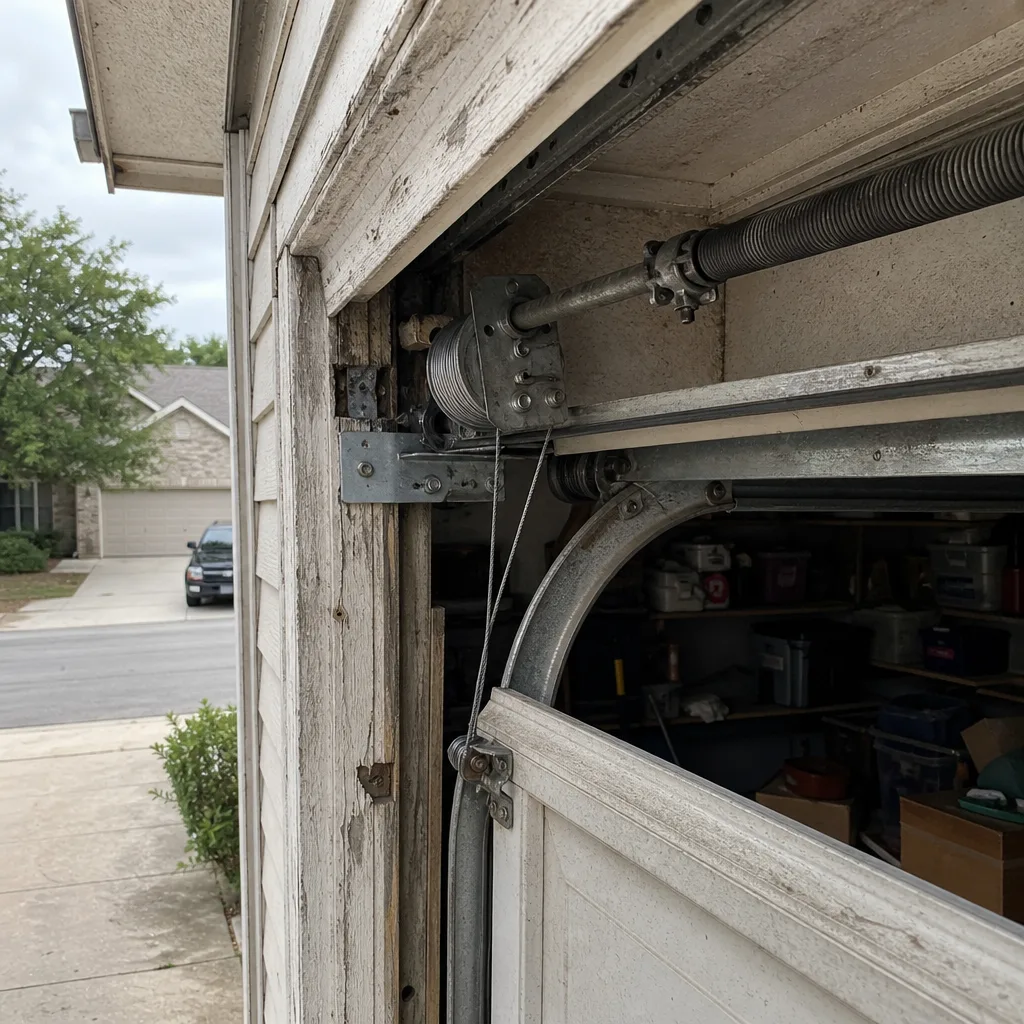 Before
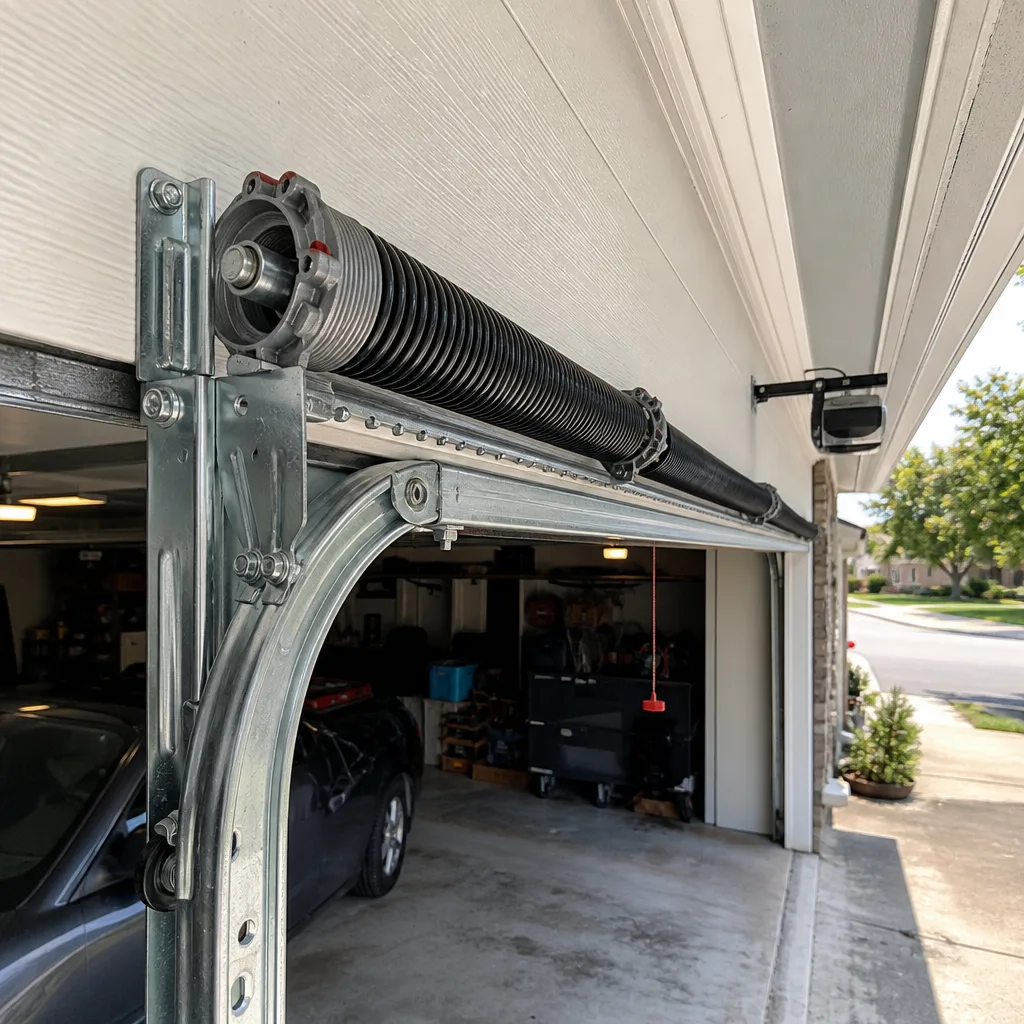 After
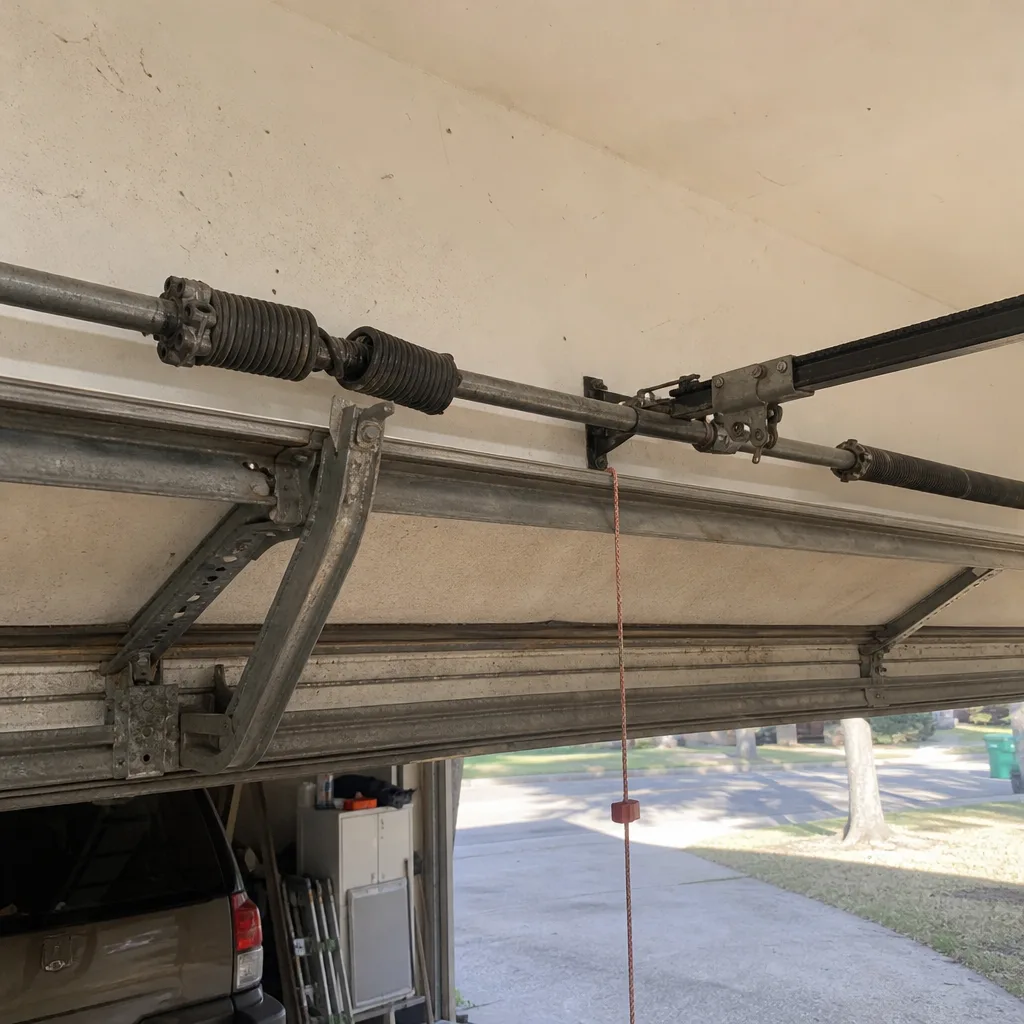 Before
 After
 Before
 After