

Last updated October 30, 2026
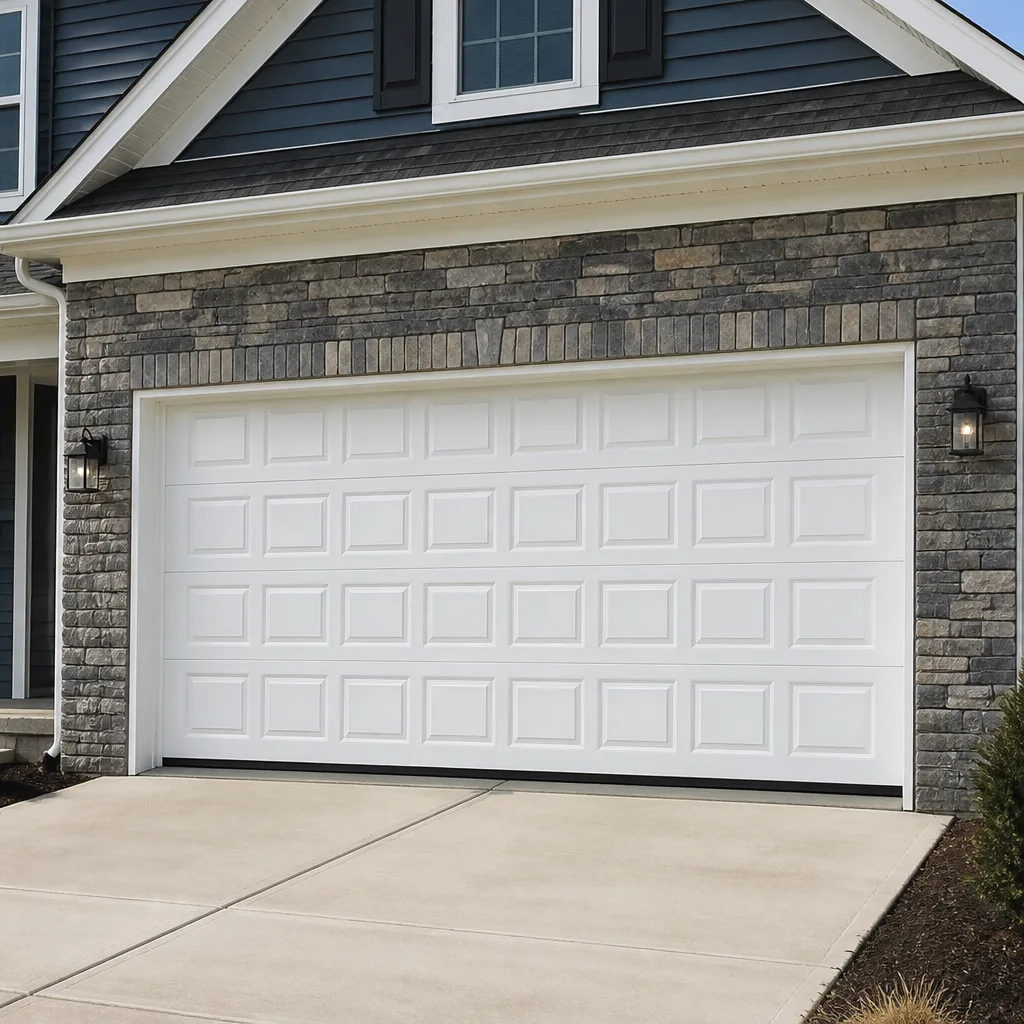 Raised-panel steel
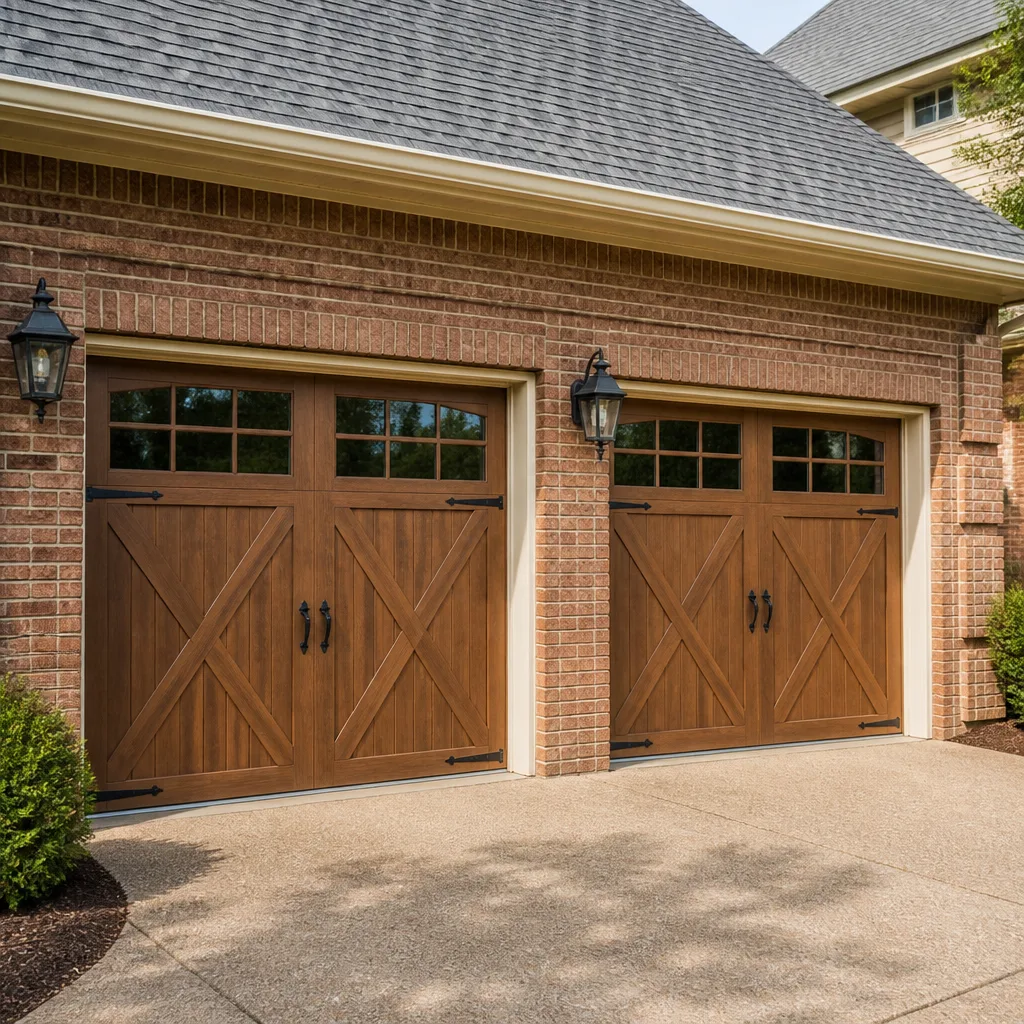 Carriage house
 Modern flush
 Full-view glass
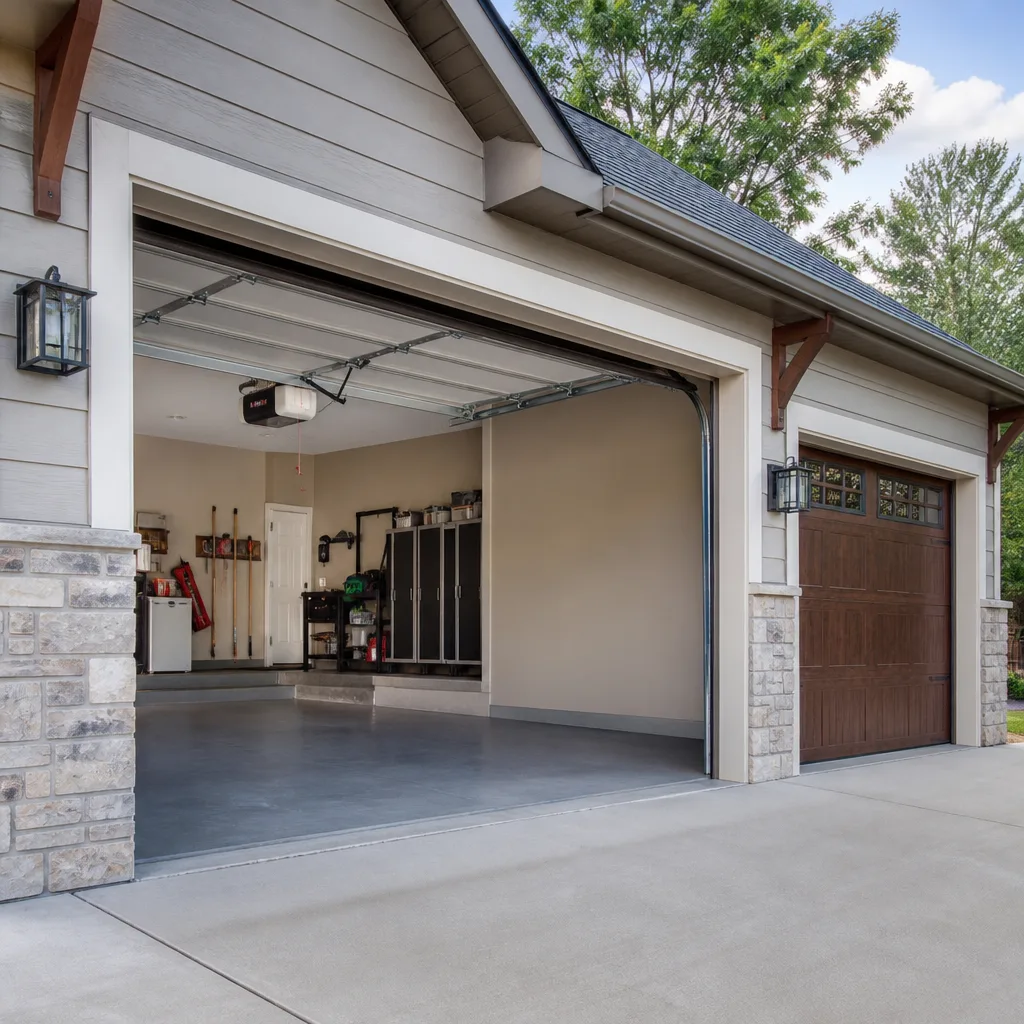 LiftMaster openers
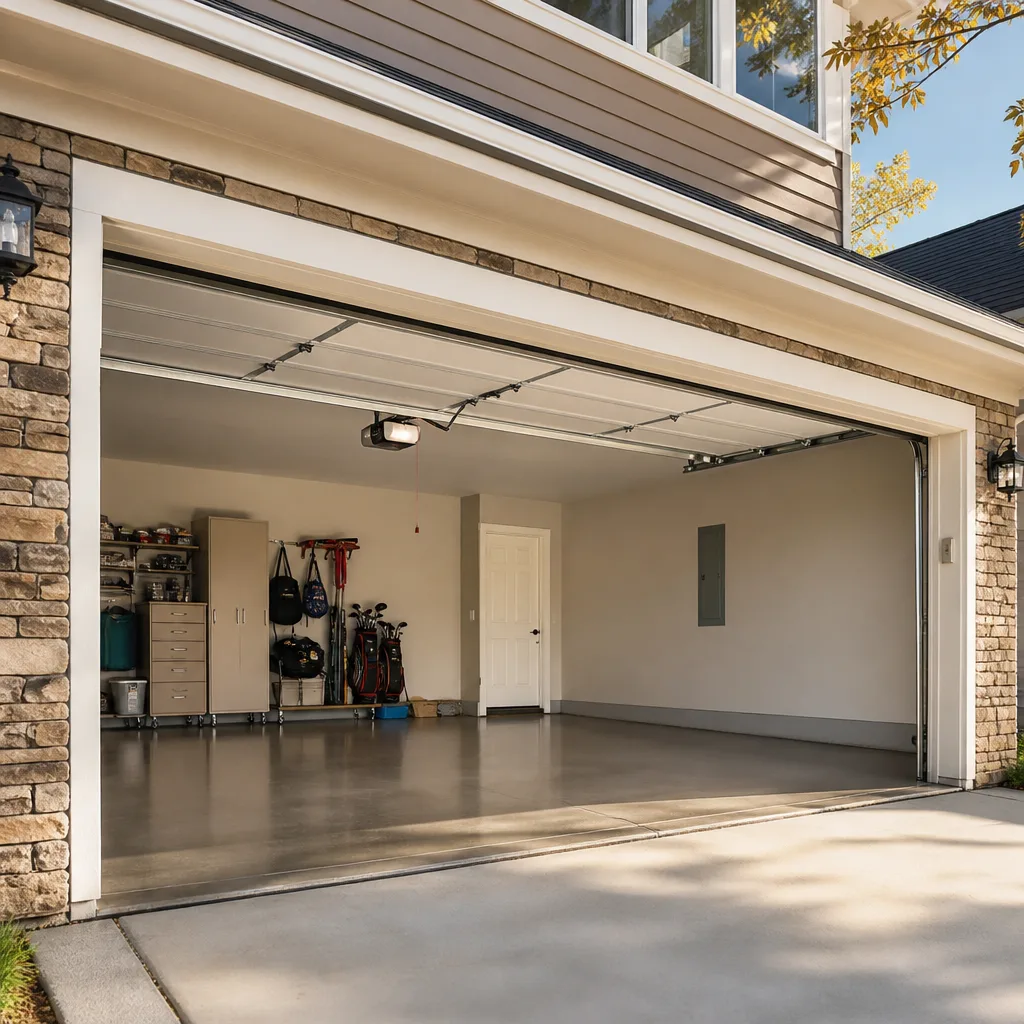 Chamberlain openers
Full 25-point door and opener safety check with every visit - springs, cables, rollers, tracks, and your LiftMaster or Chamberlain opener included
You get a price before we start. It does not change when the truck arrives.
Get your free estimateGarage Door Repair Maintenance Checklist for Brushy Creek Homeowners
Lubricating your rollers every six months is standard advice. But if your garage door opens 12 times a day instead of the assumed four, that interval is already wrong before you start. Most maintenance checklists floating around the internet assume a suburban family of four with two cars and a predictable 9-to-5 schedule. That’s not Brushy Creek. Here, attached garages double as workshops, home gyms, woodshops, and mudrooms. Some doors in this area cycle 20 times before noon. This guide recalibrates maintenance around how you actually use your door, the climate it lives in, and the warning signs that matter most. You’ll learn what to check monthly, what to do seasonally, what to document, and what to never touch yourself.
Styles & brands we work with
Quick Answer
A proper garage door maintenance checklist for Brushy Creek homeowners includes monthly visual inspections of springs, cables, rollers, and weatherstripping; lubrication of moving parts every 3-6 months depending on usage frequency; seasonal adjustments for cedar pollen and summer humidity; and professional servicing of high-tension components like springs and cables. Low-use households can follow a six-month schedule, but high-cycle doors need attention every 60-90 days.
Table of Contents
- Why Usage Intensity Changes Your Maintenance Schedule
- Brushy Creek Environmental Factors That Accelerate Wear
- The Three Five-Minute Checks That Catch 80% of Problems
- A Lubrication Guide That Actually Works
- What to Document on Every Maintenance Pass
- The Seasonal Maintenance Checklist for Brushy Creek
- Common Mistakes to Avoid
- When to Call a Professional
- Frequently Asked Questions
- The Bottom Line
Why Usage Intensity Changes Your Maintenance Schedule
Every garage door manufacturer rates their springs for a specific number of cycles. One cycle equals one open and one close. A standard torsion spring is typically rated for 10,000 cycles. If your door opens and closes four times daily, that spring should last roughly seven years. But if you’re using your garage as a workshop entry point, a gym access door, or a primary entrance for teenagers coming and going, you might hit 12 to 15 cycles per day. At that rate, the same spring wears out in under three years.
In Brushy Creek, we see this pattern constantly. Homes in neighborhoods like Cat Hollow, Sendero Springs, and Brushy Creek North routinely have garage doors functioning as side entrances rather than car-only openings. That’s not a bad thing. It just means the maintenance clock runs faster.
Here’s how to determine your usage tier:
- Low-cycle household (2-4 cycles per day): Inspect every six months. Lubricate every six months. Professional tune-up every two years.
- Medium-cycle household (5-8 cycles per day): Inspect every three months. Lubricate every four months. Professional tune-up annually.
- High-cycle household (9+ cycles per day): Inspect every 60 days. Lubricate every 90 days. Professional tune-up every six months.
Count your cycles for one week. Multiply by 52. That number tells you more about your door’s maintenance needs than any generic calendar ever will.
We’ve also noticed that Brushy Creek homeowners who use their garage as a home gym create unique stress patterns. Rapid open-close sequences, like letting the dog out at 6 a.m. and again at 6:15, generate heat in the opener motor and tension spikes in the springs. Over a year, those micro-stresses accumulate.
If you’re unsure where you fall, Goldleaf Garage Door Repair home resources can help. But the short version is this: if your door opens more than twice each morning before the first car leaves, you’re at least a medium-cycle household.
Brushy Creek Environmental Factors That Accelerate Wear
Central Texas isn’t kind to garage door components. Three local factors consistently shorten the life of springs, weatherstripping, and opener electronics. Understanding them changes where you focus your attention.
Cedar pollen (December through February). Brushy Creek sits squarely in Texas cedar country. Pollen counts in January often exceed 10,000 grains per cubic meter. That fine, sticky dust infiltrates photo-eye sensors on openers, coats rollers, and mixes with lubricant to form gritty paste. Left unchecked, it accelerates roller wear and causes false obstruction readings. Clean your photo-eye lenses monthly during pollen season with a dry microfiber cloth. Wipe down roller tracks every other month.
Summer humidity spikes (June through September). Humidity in the Brushy Creek area regularly sits above 70% from late June through early September. Moisture expands wooden door panels, causes steel doors to sweat, and softens weatherstripping adhesive. Vinyl bottom seals can pucker or peel away from the door, creating gaps that let in insects, dust, and hot air. Check bottom seal adhesion in August. If it’s separating at the corners, reprofessional replacement is cheaper than the energy loss you’ll absorb through the gap.
Rapid temperature swings (October-November and March-April). Central Texas cycles between 40-degree nights and 80-degree afternoons for weeks at a time. Metal components expand and contract with those swings. Torsion springs, cables, and track brackets all experience micro-fatigue. Loose hardware becomes looser. Cables that were borderline start fraying. Your seasonal transition checks matter more here than in climates with gradual temperature changes.
If you’re experiencing weatherstripping failure or sensor issues, Garage Door Repair in Brushy Creek service covers these specific local problems. But the maintenance steps below prevent most of them.
The Three Five-Minute Checks That Catch 80% of Problems
You don’t need to spend an hour every weekend maintaining your garage door. Most failures announce themselves early with subtle visual or auditory cues. These three checks take under five minutes combined and catch the vast majority of developing problems before they become breakdowns.
Check 1: The Spring Gap Test
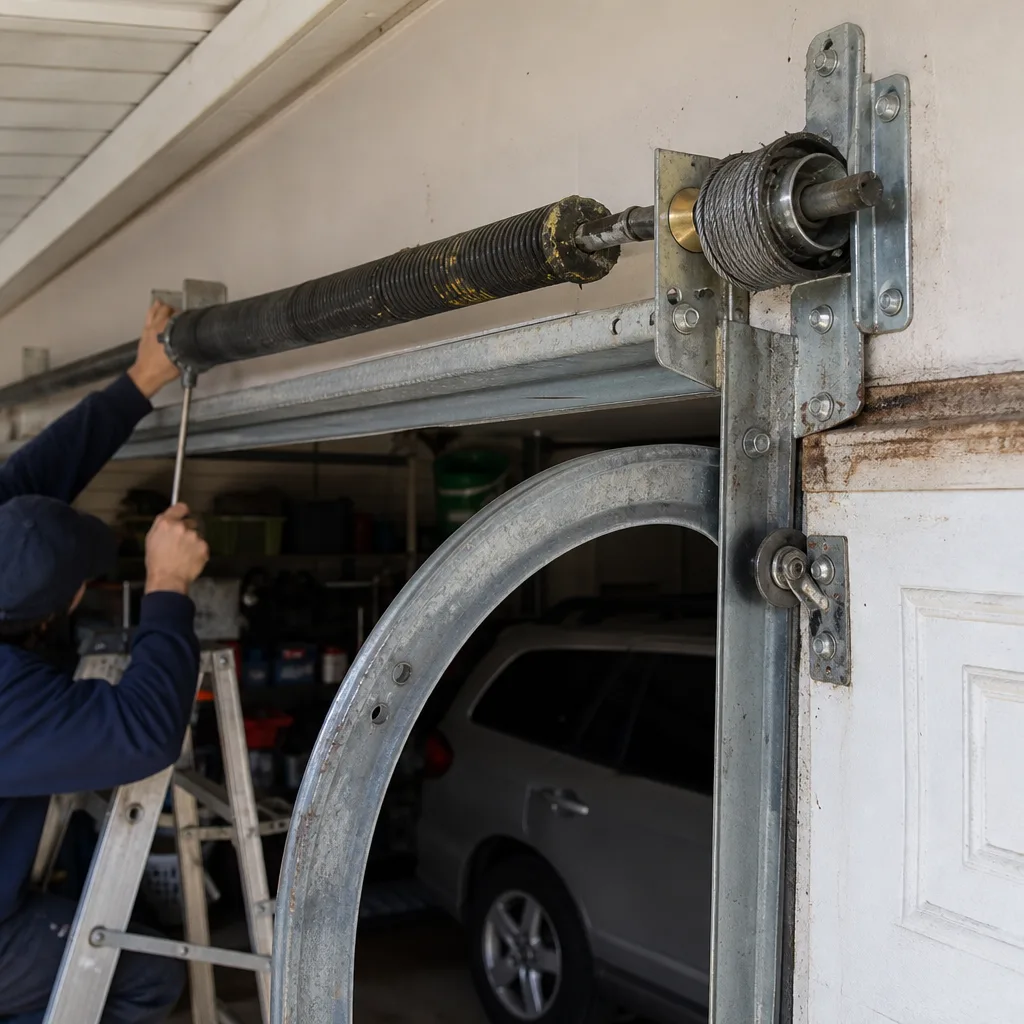
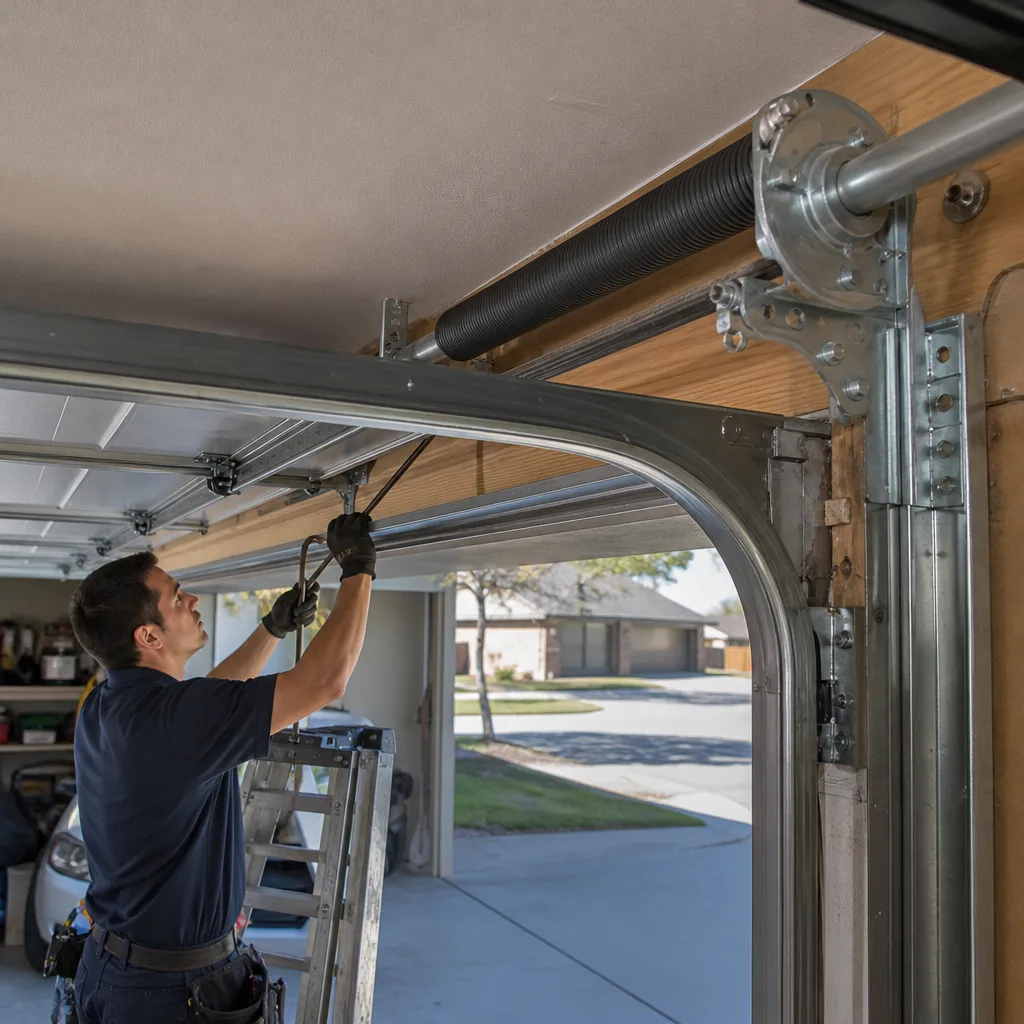
Open your garage door fully. Look at the torsion spring above the door (that’s the horizontal spring on a metal rod). When the door is open, the spring should be compressed but still show visible gaps between coils. If any coils are touching, or if the spring looks unevenly spaced, it’s nearing failure. Do not touch it. Just note the condition and call a specialist.
For extension springs (the vertical springs on either side of the track), look for stretched coils or gaps where the spring meets the pulley. A stretched extension spring on one side means your door is lifting unevenly.
Check 2: The Cable Fray Sweep
Close the garage door. Stand inside and look at the lifting cables on both sides. Run your eyes along the full length of each cable. Frayed strands, rust spots, or kinks are early warning signs. Cables don’t fail progressively the way springs do. They snap suddenly. If you see any damage, schedule replacement before the cable breaks while the door is mid-cycle.
Check 3: The Balance Test
Disconnect the opener by pulling the red emergency release handle (make sure the door is closed first). Manually lift the door to waist height and let go. A balanced door stays in place. If it drops, the springs are weakening. If it rises, they’re over-tensioned. Either condition forces your opener motor to work harder, shortening its lifespan.
Each of these checks reveals problems early. Combined, they cover the three components that cause the most expensive repairs: springs, cables, and opener motors.
A Lubrication Guide That Actually Works
Most garage door lubrication advice is wrong in at least one important detail. Here’s the version calibrated for Brushy Creek conditions and real-world usage.
What to lubricate:
- Rollers: Use a lithium-based or silicone spray on the bearings only. Do not lubricate nylon roller wheels themselves; the lubricant attracts dust and accelerates wear on the track.
- Hinges: Apply a small amount of white lithium grease to pivot points. Wipe away excess immediately.
- Springs: For torsion springs, apply a silicone-based lubricant along the length of the spring. This reduces friction between coils during compression and extension. For extension springs, lubricate the coils and the pulley bearings.
- Track: Do not lubricate the track. Clean it with a damp cloth, then dry it. Lubricated tracks cause the rollers to slip, which throws off the door’s timing.
- Opener rail: If you have a chain-driven opener, apply a thin coat of lithium grease to the chain. Belt-driven openers from LiftMaster or Chamberlain don’t need rail lubrication.
How often to lubricate in Brushy Creek:
- Wipe down photo-eye sensors with a dry cloth during cedar season (December-February).
- Lubricate rollers and hinges every 4-6 months for low and medium-cycle households.
- Lubricate every 3 months for high-cycle households.
- Lubricate torsion springs every 6 months regardless of usage.
- Clean tracks quarterly with a damp cloth, more often during pollen season.
One more note worth making: brand matters less than technique here. Whether your door is a Craftsman, a Raynor, or something else, the lubrication points are the same. What changes is how often you need to do it based on your cycle count.
What to Document on Every Maintenance Pass
Here’s the step most maintenance guides skip entirely. Good documentation saves you money on every future service call. Here’s what to record each time you inspect your door:
- Spring color code: Torsion springs have colored paint marks on the ends indicating their tension rating. Photograph these marks. If a spring fails, the replacement must match the color code exactly. Not “close enough.” Exactly.
- Serial number of the opener: Located on the motor housing or the side of the unit. Write it down. Store it in your phone. If your opener fails, the serial number tells a technician the exact model, age, and parts required.
- Opener firmware version (for smart openers): LiftMaster and Chamberlain models with Wi-Fi display firmware version in the app. Update it when available. Older firmware can cause signal interference, battery drain, and false safety-reversal trips.
- Door manufacturer and model: Look for a label on the inside of the bottom section or on the end stiles. Photograph it. Knowing whether you have a Clopay, Amarr, or Wayne Dalton door helps any technician diagnose panel and hinge issues faster.
- Date and mileage of each inspection: A simple note in your phone like “March 14 – gap test OK, cable fray on left, ordered inspect” builds a service history that pays off later.
Why does this matter? Because when you call a technician, you’ll save a full diagnostic cycle. Technicians who arrive knowing the spring tension, opener model, and door manufacturer can arrive with the right parts on the truck. That’s the difference between a 45-minute fix and a two-trip ordeal.
If documentation feels excessive, start with the serial number and spring color code. Those two facts alone cut most diagnostic calls in half. For opener-specific questions, Garage Door Opener Repair in Brushy Creek technicians need the firmware version and serial number to even order replacement parts for smart openers.
The Seasonal Maintenance Checklist for Brushy Creek
Here’s the full checklist, mapped to the Brushy Creek calendar. Print this section and tape it to the inside of your garage door. It’s the master reference for keeping your door running cleanly through every season.
Winter (December-February) – Cedar Pollen Defense
- Clean photo-eye sensors weekly with a dry cloth.
- Vacuum the floor tracks to remove pollen and debris.
- Check bottom weatherstripping for gaps caused by moisture expansion.
- Test the safety reversal mechanism (place a 2×4 flat in the door’s path; the door should reverse on contact).
- Lubricate rollers and hinges at the start of December.
Spring (March-May) – Transition Season
- Perform the full five-minute check (spring gap, cable fray, balance).
- Tighten track bolts and hinge screws after winter contraction.
- Inspect torsion spring for rust. Surface rust is normal; deep pitting is not.
- Check opener force settings. Cool winter mornings followed by warm afternoons change how the opener motor responds.
Summer (June-September) – Humidity Alert
- Recheck bottom seal adhesion in early August.
- Listen for unusual grinding or squeaking during operation. Humidity changes lubricant viscosity.
- Check for sagging on wooden doors; central Texas humidity swells wood panels unevenly.
- Verify opener motor doesn’t overheat with repeated cycles. High-use households should let the motor cool between cycles in July and August.
Fall (October-November) – Pre-Cool Snap
- Complete full lubrication pass before winter.
- Check cable tension on both sides. Look for slack on one cable.
- Test auto-reverse mechanism again.
- Replace batteries in keypad and remote if they’re more than 18 months old.
If any item on these lists turns up something abnormal, don’t wait. Small problems in garage doors become expensive problems quickly. If you need a second set of eyes, Garage Door Installation in Brushy Creek provides full-system inspections along with replacement services.
Common Mistakes to Avoid
- Lubricating the track. This is the most common mistake we see. It feels intuitive, but lubricated tracks cause the rollers to slide instead of roll, wearing flat spots and creating noise. Clean tracks are the goal; not slick ones.
- Ignoring the balance test. Most people never disconnect their opener to test door balance. But an unbalanced door is the leading cause of premature opener motor death. The opener shouldn’t be doing the heavy lifting; the springs should.
- Using WD-40 as lubricant. WD-40 is a solvent, not a lubricant. It strips away existing grease and leaves metal surfaces unprotected. Use silicone spray or white lithium grease.
- Checking the door only when it breaks. Brushy Creek’s pollen and humidity cycles create predictable degradation patterns. Waiting for failure means paying for a new spring, cable, and possibly a bent panel, rather than a $10 hinge or a $20 seal.
- Replacing one spring instead of both. If one torsion spring fails, the other is near the end of its cycle life too. Replacing only the failed spring saves money today but guarantees a second service call within a year.
- Forgetting the emergency release test. The red emergency release handle should be pulled and tested twice a year. If it’s stiff or fails to re-engage, small children or elderly family members may be unable to open the door manually during a power outage.
- Documenting nothing. Every time you skip noting the serial number or spring color code, you add 20 minutes of diagnostic time to your next service call. Twenty minutes of labor is real money.
When to Call a Professional
Some tasks belong on your checklist only as “call.” The following red-line items should never appear on a homeowner’s DIY list, regardless of skill level or confidence:
- Torsion spring replacement or adjustment. Torsion springs hold thousands of pounds of tension. The winding bars required to adjust them can slip, causing the spring to unwind violently. A slipping winding bar can break bones or worse. This is the single most dangerous component in your home.
- Cable replacement. Lifting cables are under constant tension. Replacing them requires unwinding and rewinding the spring system correctly. A mistake here can cause the door to fall suddenly.
- Track realignment. Bent or misaligned tracks can bind the door, causing it to jam mid-cycle and possibly derail. Straightening a track without the proper tools can make the misalignment worse.
- Opener motor replacement. While replacing the opener itself is feasible for skilled homeowners, diagnosing motor failure versus logic board failure versus safety sensor failure requires diagnostic tools most people don’t own.
If you encounter any of these conditions, Goldleaf Garage Door Repair offers free estimates in Brushy Creek. Call (855) 412-0407 for a diagnostic visit without obligation.
Frequently Asked Questions
Low-cycle households should lubricate every six months; high-cycle households every three months. The specific interval depends on how many times your door opens per day. Cedar pollen season from December through February may require more frequent sensor cleaning, but not more frequent lubrication. Call (855) 412-0407 if you’re unsure which lubricant to use on your specific door type.
In our experience, weather-related wear is the most frequent issue. Cedar pollen contamination of photo-eye sensors and humidity-induced weatherstripping failure account for a significant portion of residential service calls in the Brushy Creek area. Both are preventable with seasonal maintenance.
No. Torsion and extension springs are under extreme tension and can cause severe injury or death if mishandled. This is a red-line item that requires professional tools and training. If your spring shows signs of failure, call (855) 412-0407 and do not attempt adjustment yourself.
Disconnect the opener using the emergency release cord, manually lift the door to waist height, and release it. A properly balanced door stays in place. If it drops, your springs are under-tensioned. If it rises, they’re over-tensioned. Perform this test twice a year.
A grinding noise usually indicates dry roller bearings or a failing opener gear. Lubricate the roller bearings first. If the noise persists, the opener may need attention. Call (855) 412-0407 for a diagnostic check before the problem causes more expensive damage.
Standard torsion springs are rated for 10,000 cycles. At four cycles per day, that’s roughly seven years. But Brushy Creek households using their garage as a workshop or gym may cycle 12 to 15 times daily, reducing spring life to under three years. Match your spring replacement expectations to your usage pattern.
The Bottom Line
Your maintenance checklist should match how you live. Brushy Creek homeowners who use their garage as a side entrance, workshop, or gym need to check their door more frequently than the generic advice suggests. Cedar pollen in winter, humidity in summer, and rapid temperature swings in spring and fall each create specific wear patterns. The three five-minute checks catch most problems early. Documentation saves you money on future service calls. And the red-line items – springs and cables – should always stay off your DIY list. A well-maintained garage door lasts longer, runs quieter, and costs less per year to operate. Your checklist should reflect the door you have, not the door a generic guide assumes. For more guides & resources, explore our blog.
Written by the team at Goldleaf Garage Door Repair, serving Brushy Creek since 2012.
See the difference
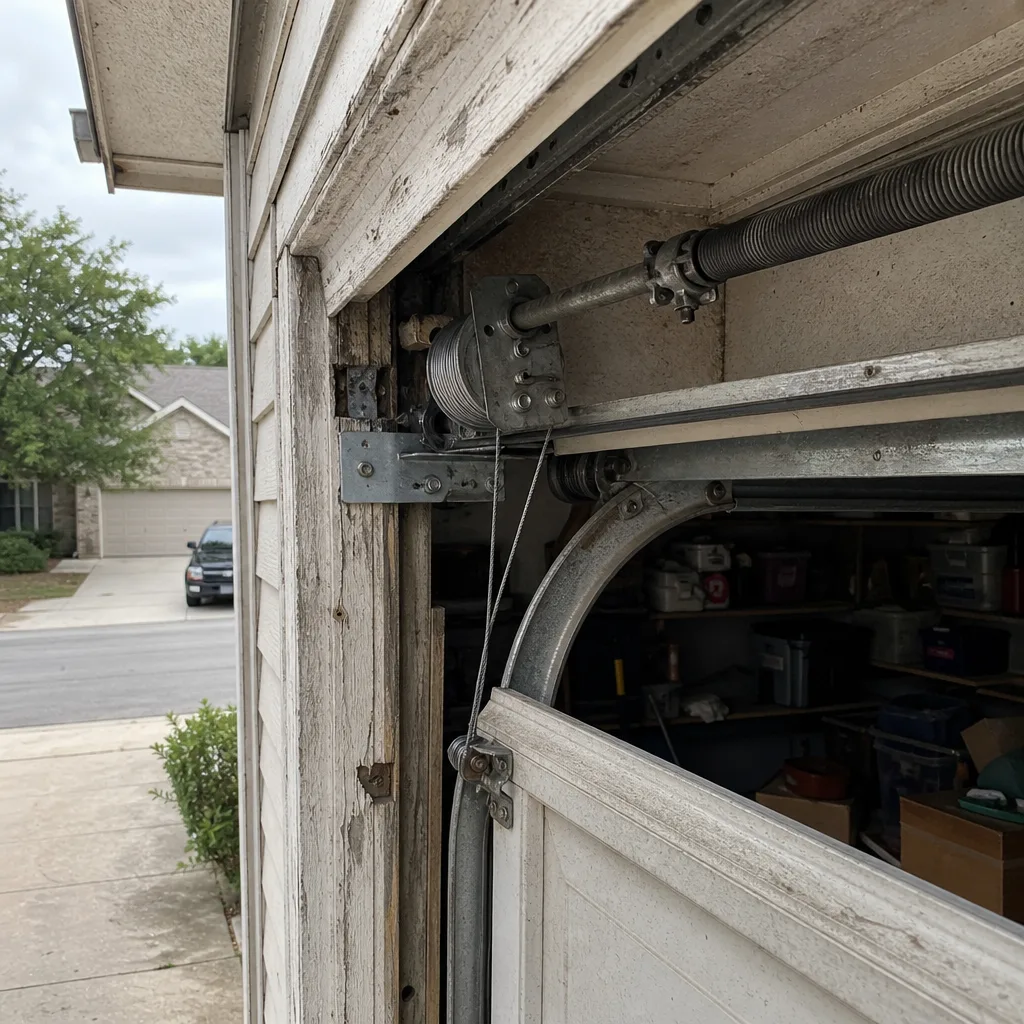 Before
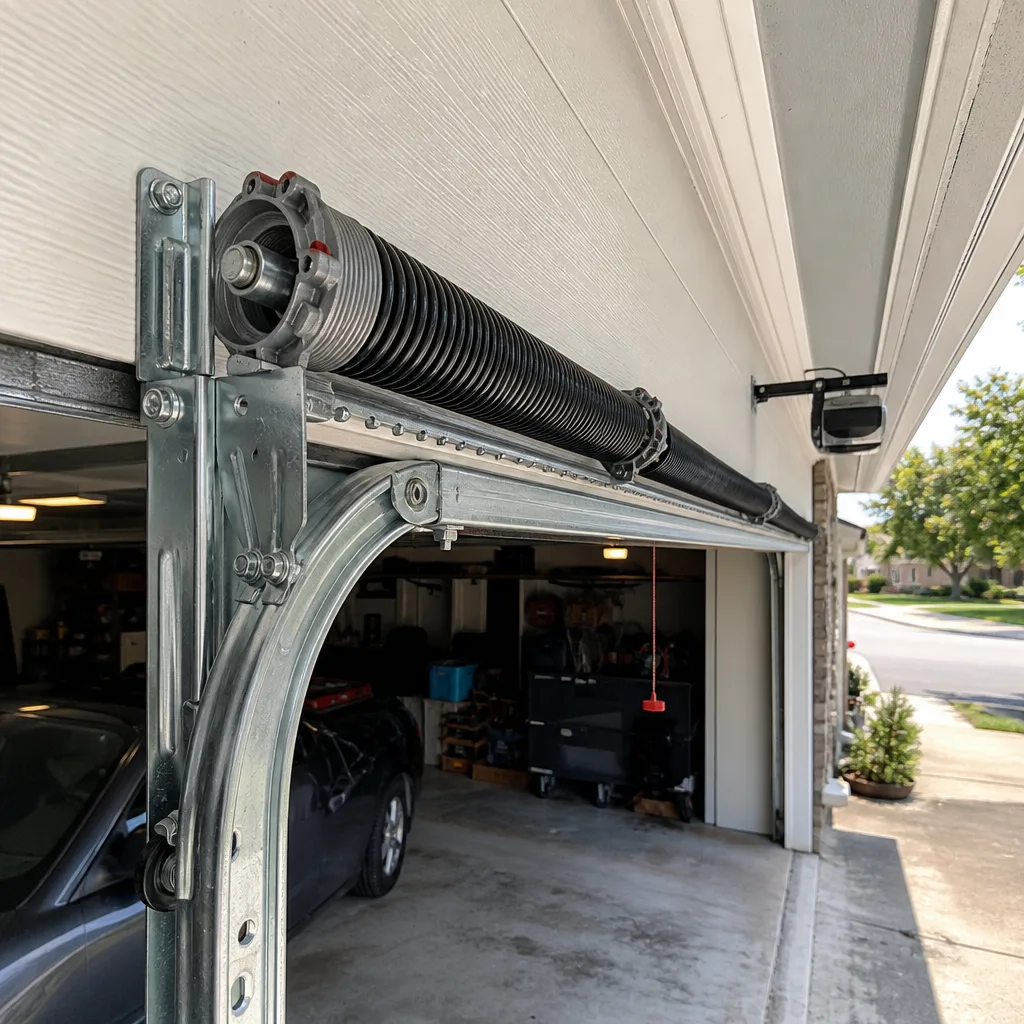 After
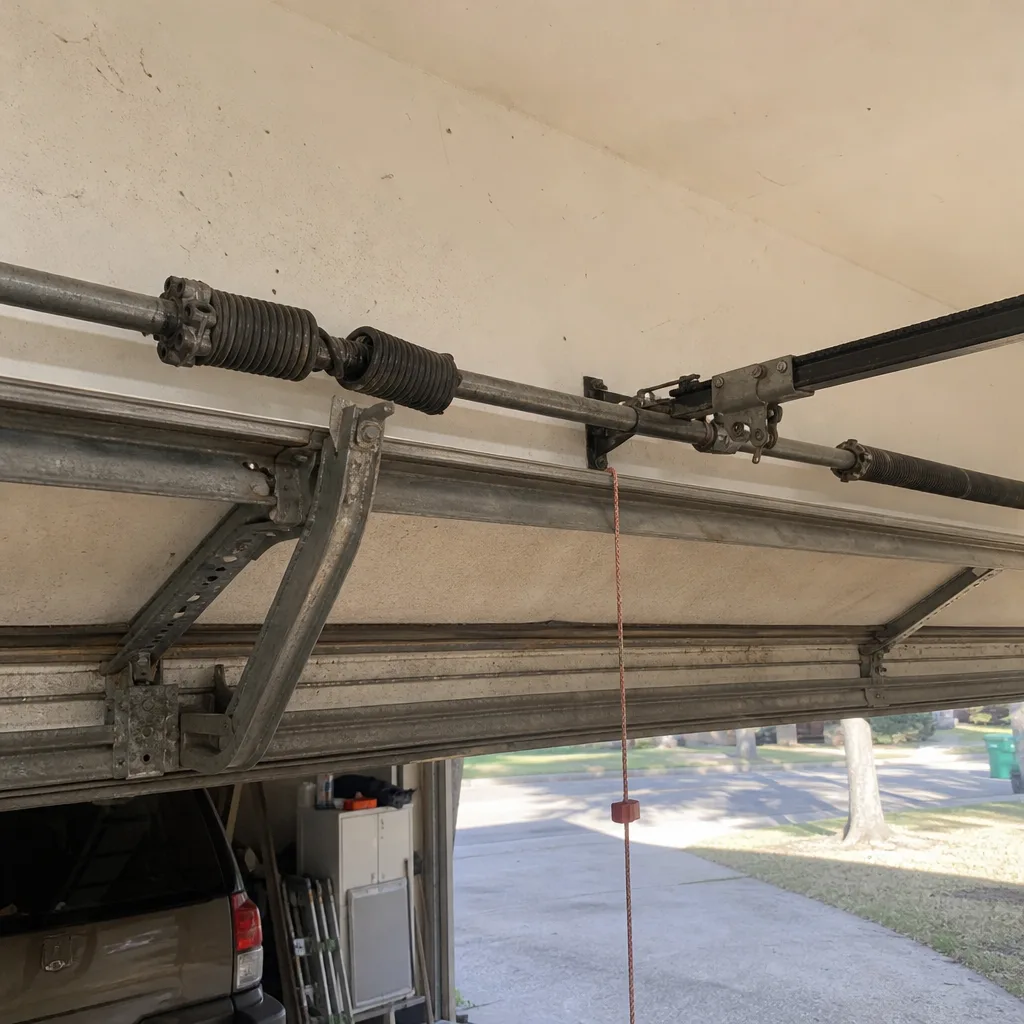 Before
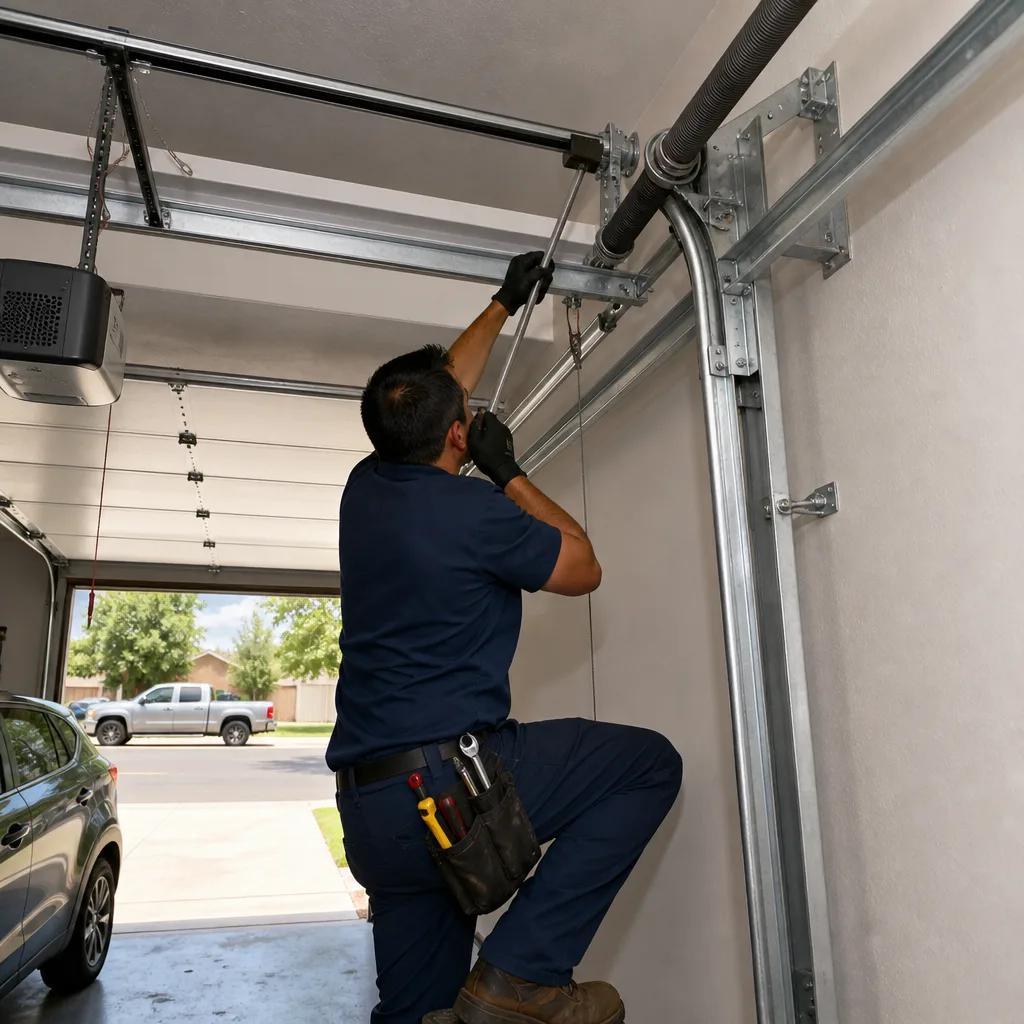 After
 Before
 After